
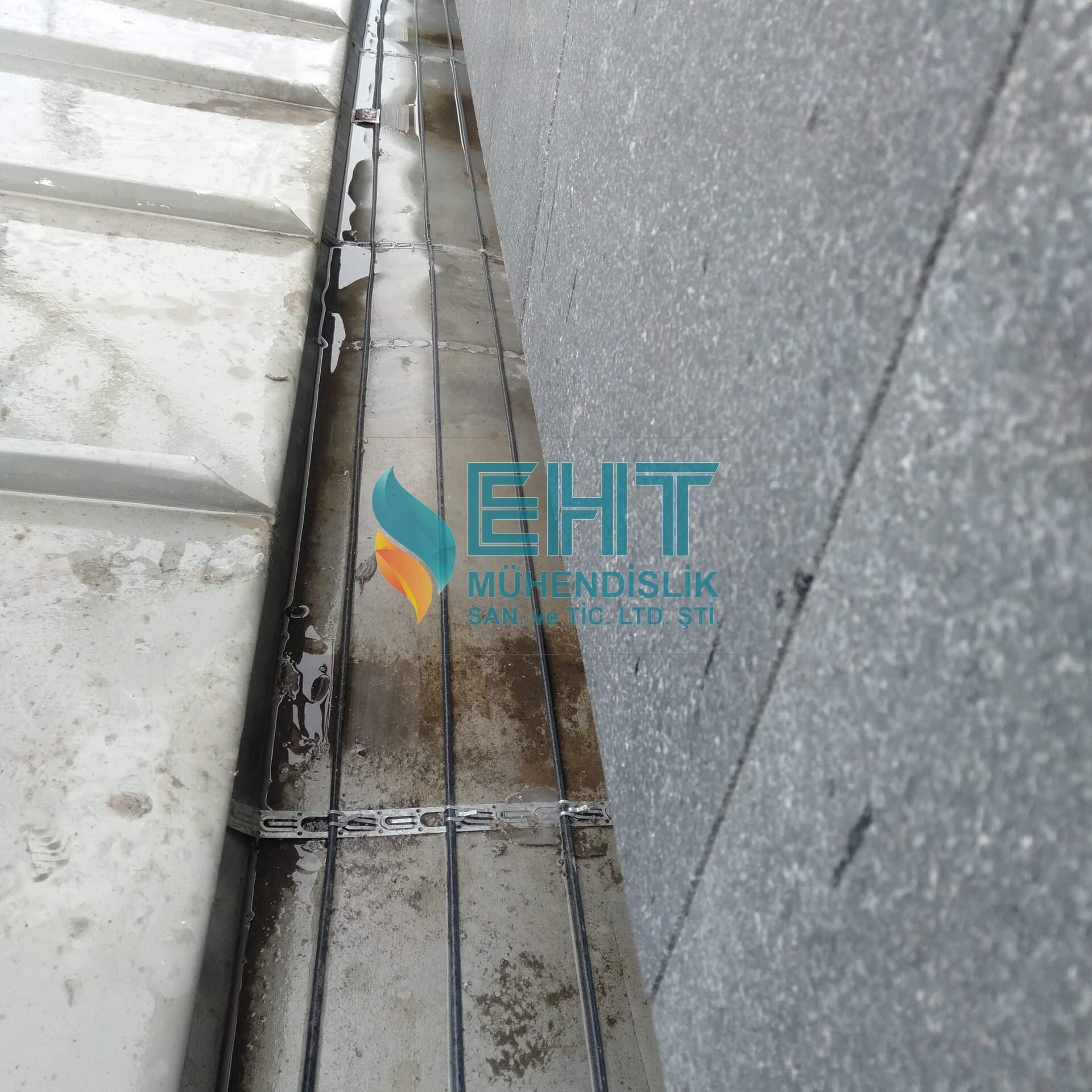
Roof Snow and Ice Load Reduction Why?
Roof snow and ice load reduction, This includes practices aimed at reducing the load created by snow and ice accumulating on the roofs of buildings. These practices are used to protect the structural integrity of buildings and reduce the risk of roof collapse.
Building roofs can be subjected to heavy snow and ice loads, especially during winter months. This poses a risk to the structural integrity of the roofs. Roof Snow and Ice Load Reduction These practices reduce this load, thus ensuring the safety of buildings.
Roof Snow and Ice Load Reduction Methods
Roof snow and ice load reduction The methods are chosen according to the roof types and structural characteristics of the buildings. These methods include applications such as heated roof systems, snow melting systems, and roof insulation.
Heated roof systems melt snow and ice using heating elements placed on the roof. These systems are not particularly suitable for overhanging roofs. Snow melting systems, on the other hand, melt snow and ice using a waterproof layer placed on the roof.
Roof Insulation
Roof insulation is a practice aimed at increasing energy efficiency by reducing heat loss from building roofs. Roof insulation also... roof snow and ice load reduction It is also important for applications.
Roof insulation is done using thermal insulation materials placed on the roofs. These materials absorb heat, reducing heat loss from the roofs. Roof insulation helps to increase the energy efficiency of buildings and roof snow and ice load reduction It ensures that their applications are hiệu quả.
Roof Snow and Ice Load Reduction The Importance of Applications
Roof snow and ice load reduction These practices are important for preserving the structural integrity of buildings and reducing the risk of roof collapse. They also represent a step towards improving the energy efficiency of buildings and achieving energy savings.
Building roofs can be subjected to heavy snow and ice loads, especially during winter months. This poses a risk to the structural integrity of the roofs. Roof Snow and Ice Load Reduction These practices reduce this load, thus ensuring the safety of buildings.
Advantages of the Application
Roof snow and ice load reduction These practices are important for preserving the structural integrity of buildings and reducing the risk of roof collapse. They also represent a step towards improving the energy efficiency of buildings and achieving energy savings.
Roof snow and ice load reduction Roofing solutions are selected according to the roof types and structural characteristics of the buildings. These solutions include methods such as heated roof systems, snow melting systems, and roof insulation.
Roof Snow and Ice Load Reduction Cost of Applications
Roof snow and ice load reduction The cost of these applications varies depending on the roof types and structural characteristics of the buildings. These applications are also a step towards increasing the energy efficiency of buildings and achieving energy savings.
Roof snow and ice load reduction These practices are important for maintaining the structural integrity of buildings and reducing the risk of roof collapse. They are particularly crucial for buildings subjected to heavy snow and ice loads during winter months.
Calculating Implementation Costs
Roof snow and ice load reduction The cost of these applications is calculated based on the roof types and structural characteristics of the buildings. This cost includes the expenses of methods such as heated roof systems, snow melting systems, and roof insulation.
Roof snow and ice load reduction The cost of these practices is also a step towards increasing the energy efficiency of buildings and achieving energy savings. These practices help reduce energy costs by decreasing the energy consumption of buildings.
Roof Snow and Ice Load Reduction The Future of Applications
Roof snow and ice load reduction These practices are important for preserving the structural integrity of buildings and reducing the risk of roof collapse. They also represent a step towards improving the energy efficiency of buildings and achieving energy savings.
Building roofs can be subjected to heavy snow and ice loads, especially during winter months. This poses a risk to the structural integrity of the roofs. Roof Snow and Ice Load Reduction These practices reduce this load, thus ensuring the safety of buildings.
The Future of Applications
Roof snow and ice load reduction Roofing solutions are selected according to the roof types and structural characteristics of the buildings. These solutions include methods such as heated roof systems, snow melting systems, and roof insulation.
Roof snow and ice load reduction These practices are a step towards increasing the energy efficiency of buildings and achieving energy savings. By reducing energy consumption, these practices help lower energy costs in buildings.
Short Summary
Roof snow and ice load reduction These practices are important for preserving the structural integrity of buildings and reducing the risk of roof collapse. They also represent a step towards improving the energy efficiency of buildings and achieving energy savings.
Building roofs can be subjected to heavy snow and ice loads, especially during winter months. This poses a risk to the structural integrity of the roofs. Roof Snow and Ice Load Reduction These practices reduce this load, thus ensuring the safety of buildings.