Heat Tracing Application for Pipelines and Tanks

It is of great importance that the fluids in pipelines and tanks are kept under process conditions, protected against freezing, and operated continuously at the desired temperature values. Electrical Heat Tracing systems, ensures protection of fluids against adverse conditions such as freezing, condensation or increased viscosity.
The heat tracing solutions offered by our company are designed to suit the process needs of each pipeline and tank and are implemented with products that comply with international standards. Thus:
- Freezing and flow interruptions are prevented,
- Process reliability and continuity are ensured,
- Energy efficiency is optimized,
- Operating costs are minimized.
What is Heat Tracing?
Heat tracing is a heating system that maintains specific temperature ranges in pipelines, tanks, and industrial equipment. It is typically used to prevent freezing in cold weather conditions, maintain process temperatures, or facilitate the flow of viscous liquids. This system can be electric or steam-powered, but today, it is the most commonly used method. electric heat tracing systems.
How Does It Work?
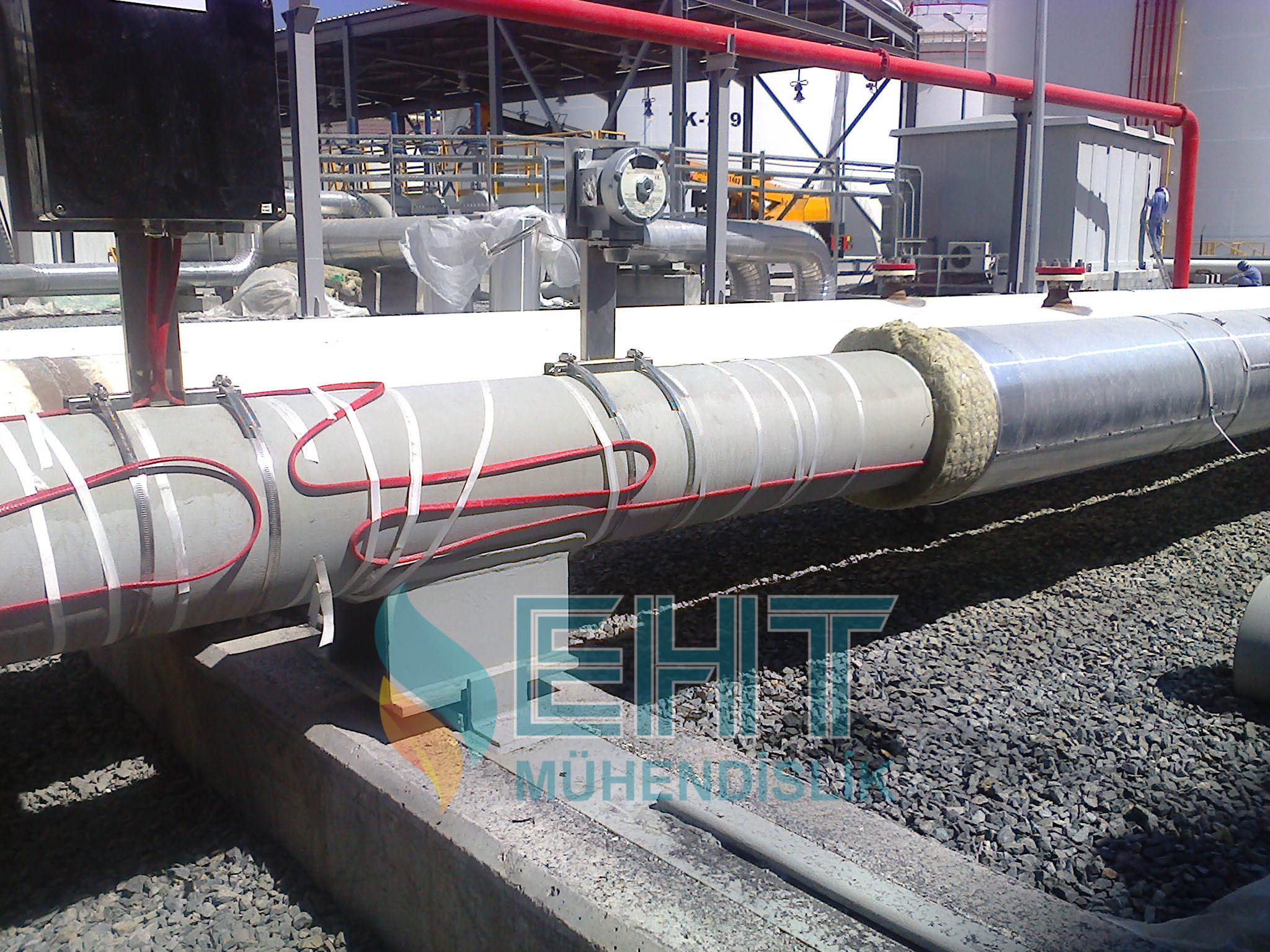
Electric heat tracing systems operate by using special heating cables laid along the pipeline. These cables are usually nanoconductive carbon particles And insulation layers It's equipped with a heat exchanger. When the temperature around the cable drops, the conductive plastic micromolecules contract, creating a circuit with carbon particles. The electric current passing through this circuit heats the cable, thus maintaining the pipeline at the desired temperature.
These systems can be cut to length on site and easily integrated with two- or three-way junction boxes. Heating cables can be wound directly onto the pipe surface, ensuring uniform temperature distribution. They are simple to install, safe to use, and highly efficient.
Areas of Use
Heat tracing systems play critical roles in many industries:
- Petrochemical and refinery facilities: Chemical substances must be kept at certain temperatures.
- Food industry: It is used to prevent liquid foods from freezing and to ensure hygienic conditions.
- Pharmaceutical industry: Maintaining precise process temperatures is important.
- Power plants: It is preferred to prevent steam lines and fuel pipes from freezing.
- Construction and infrastructure: Used to prevent water pipes from freezing.
Advantages
- Prevents freezing: Prevents pipelines from cracking, especially during winter months.
- Provides energy efficiency: It saves energy by heating only the areas that are needed.
- It is long-lasting: When produced with quality materials, it works without problems for years.
- Easy installationThanks to its flexible structure, it can be easily applied to different surfaces.
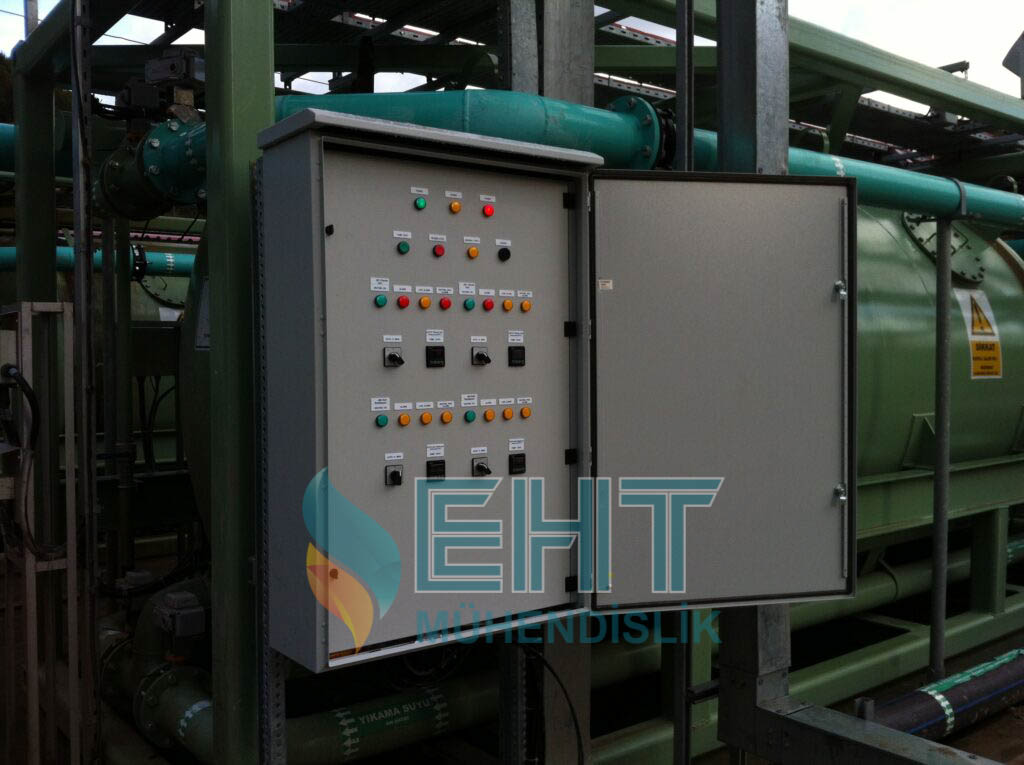
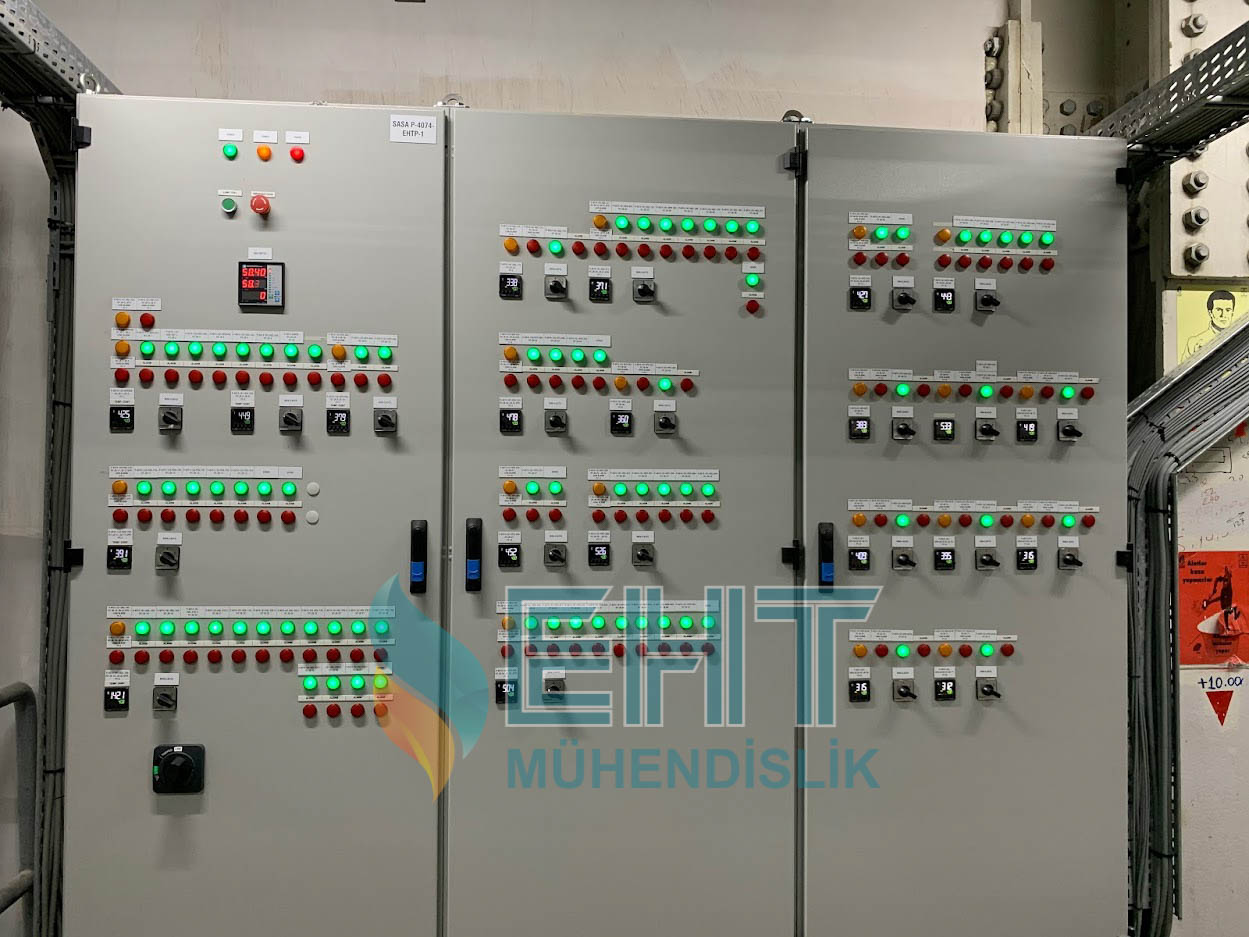
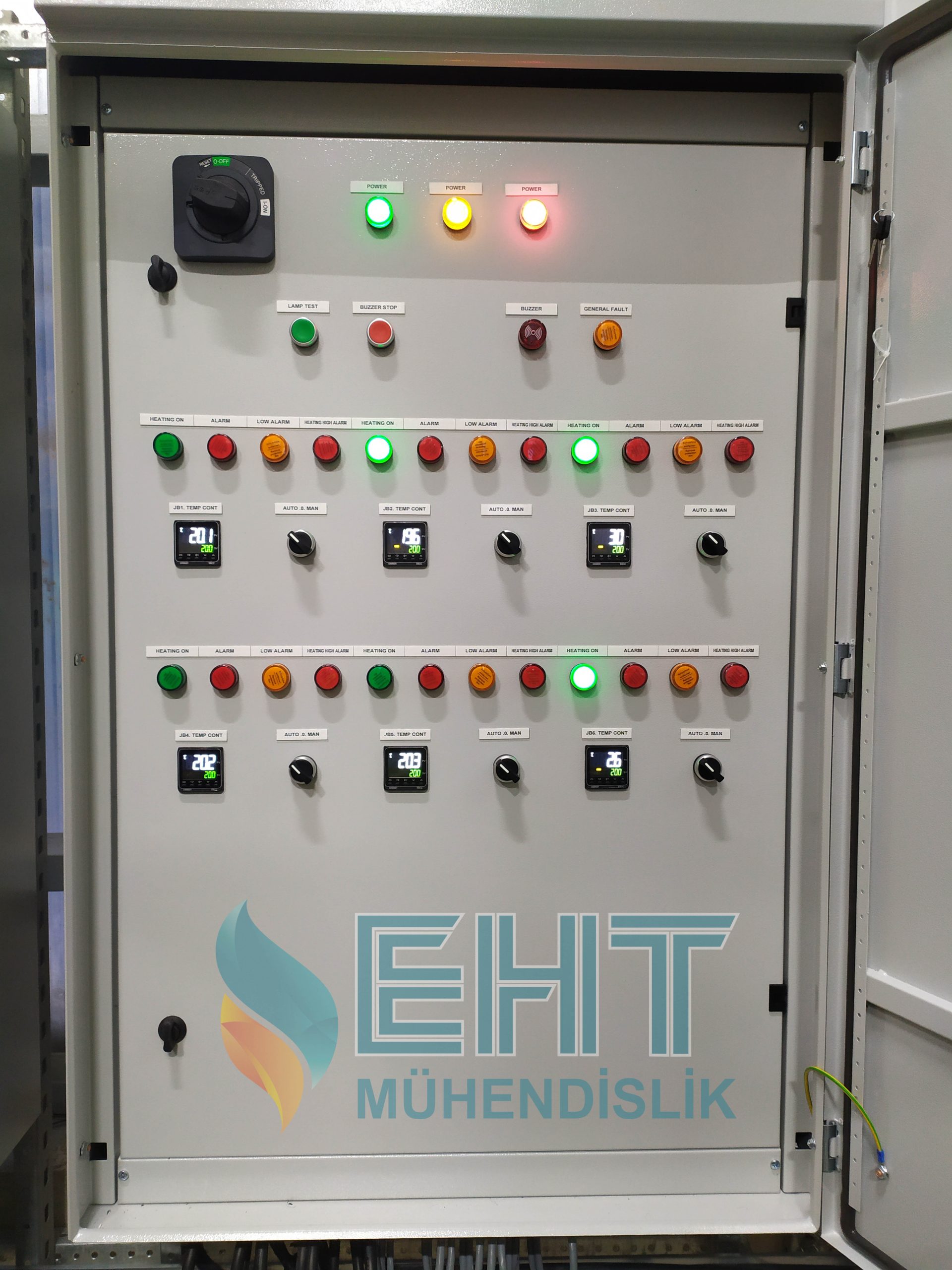
- Automatic control: Temperature can be adjusted precisely with thermostats and control panels.
Conclusion
Heat tracing systems are a critical technology that enhances the safety and efficiency of industrial facilities. They offer significant advantages, particularly in low-temperature conditions, in ensuring process continuity, extending equipment life, and reducing costs. A properly designed and professionally installed heat tracing system is essential for both operational safety and production quality. When implemented correctly, it reduces maintenance costs and ensures production continuity.