
Hamam Floor Heating: Comfort Technology from Tradition to the Future


Throughout history, baths have held an important place as spaces for cleansing, relaxation, and social interaction. This cultural heritage, dating back to the Ottoman era, finds a new life in modern life, including spas, hotels, villas, and private residences. However, the most fundamental requirement of baths is maintaining the correct balance of temperature and humidity. bath floor heating systemsoffers an indispensable solution in terms of both comfort and functionality.
Why is Heating Important in a Hammam?
The hamam environment is a specialized structure requiring high humidity and temperature. Floor temperature plays a critical role not only in user comfort but also in hygiene and safety. Cold floors reduce comfort and increase the risk of slipping in humid environments. Furthermore, maintaining ideal temperatures in special areas, such as the navel stone, is an essential part of the traditional hamam experience.
Thanks to floor heating:
- User comfort increases
- Heat is distributed homogeneously
- Energy efficiency is ensured
- Prevents the formation of bacteria and mold
- Traditional temperature balance is maintained
What are Hammam Floor Heating Systems?
Two basic systems are used for floor heating in baths:
1. Water Floor Heating System
In this system, hot water pipes are laid in the floor, and hot water from sources such as combi boilers, boilers, or heat pumps circulates through these pipes, warming the floor. It's particularly preferred in large bathhouses.
Advantages:
- Economical solution for large areas
- Compatible with different sources such as natural gas and solar energy
- Provides long-lasting warmth
Disadvantages:
- Installation time is longer
- Temperature control is more difficult than electrical systems
- May require maintenance
2. Electric Heating Cable System
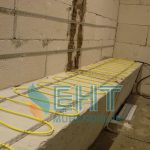
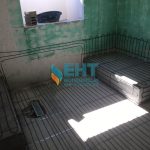
In electric systems, resistance heating cables are installed in the floor. These cables convert electrical energy directly into heat, warming the floor. They are ideal for small and medium-sized bathhouses.
Advantages:
- Quick installation
- Precise temperature control
- Low maintenance
- Automatic operation and timer support
- High efficiency in small areas
Disadvantages:
- Electricity consumption may increase in large areas
- Electrical infrastructure must be strong
Modern electrical systems offer ideal solutions, especially for boutique hotels, spa centers and home-type baths2.
Application Process
Installing underfloor heating in a bath requires careful planning and professional installation. Here are the basic steps:
- Soil Survey: The existing structure, floor covering (marble, granite, ceramic, etc.), area size and intended use are analyzed.
- Project planning: Heating cable or pipe layout, power calculations and control systems are planned.
- Insulation Application: Appropriate insulation materials are placed on the floor to prevent heat loss.
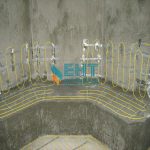
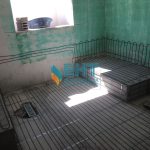
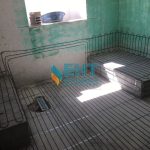
- Installing Heating Elements: Cables or pipes are laid on the ground at equal intervals.
- Screed and Coating: The top layer is applied and the system is tested.
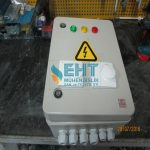
- Control System Setup: Thermostats, timers and sensors are integrated.
This process is critical for both energy efficiency and long-lasting use.
Temperature Control and Automation
Temperature control in bath floor heating systems is crucial for user comfort and energy savings. In electric systems, digital thermostats allow precise floor temperature control. In hydronic systems, temperature control is typically achieved with mechanical thermostats.
In some advanced systems:
- Working at specific times with a timer
- Automatic activation with humidity and temperature sensors
- Remote control via mobile application
- Separate temperature settings for different zones
These features provide a great advantage, especially in heavily used commercial baths.
Areas of Use
Hammam floor heating systems can be applied to buildings of different scales:
- Historical bathhouse restorations
- Boutique hotels and spa centers
- Home-type private baths
- Villas and residences
- Thermal facilities and spas
Choosing the appropriate system for each building type provides the best results in terms of both cost and performance.
Advantages
The main advantages offered by bath floor heating systems are:
- Comfortable use: Underfoot warmth increases user satisfaction.
- Hygienic environment: Thanks to heat, humidity control is provided and mold and bacteria formation is prevented.
- Energy saving: Unnecessary consumption is prevented thanks to regional control and automation.
- Aesthetic appearance: Architectural integrity is maintained as there are no visible heating elements.
- Long-lasting system: With quality materials and correct installation, it will work without any problems for years.
- Traditional experience: The navel stone and the feeling of warm ground give the classic hamam atmosphere.
Maintenance and Safety
Electrical systems offer significant advantages in terms of maintenance requirements. The cable's outer shielding is resistant to moisture and impact. Thermostats and sensors prevent overheating. In water systems, however, regular pipe inspections and water temperature monitoring may be necessary.
In terms of security:
- Cables must be CE and TSE certified.
- Grounding and residual current relay must be used.
- Professional installation is essential
- System check recommended once a year
These measures ensure the safe and efficient operation of the system.
Conclusion
Hamam floor heating systems offer smart solutions that combine traditional warmth with modern technology. Electric or hydronic systems provide both comfort and energy efficiency. Especially in regions like Şanlıurfa, where temperature fluctuations are common, these systems increase user satisfaction and reduce operating costs.
With the right project, quality material selection and professional application, you can create a warm, hygienic and peaceful environment in your bath throughout all four seasons.

















-
- Electric Hammam Heating Systems


