
Smart Investment for Efficiency, Security and Sustainability


Pipeline and tank insulation is crucial for improving energy efficiency, ensuring process safety, and reducing operating costs in industrial facilities. These insulation systems are used in areas where liquids and gases requiring temperature control are transported or stored. They are particularly popular in the chemical, petrochemical, food, pharmaceutical, and energy sectors.
The Main Purpose of Isolation
The primary purpose of pipe and tank insulation is to maintain constant process temperatures by minimizing heat loss or gain. This way, you can:
- The risk of freezing or overheating is eliminated,
- Energy consumption is reduced,
- Product quality is maintained,
- Employee safety is increased,
- Equipment life is extended.
Pipelines and tanks located outdoors are particularly affected by temperature fluctuations. Therefore, choosing the right insulation material and application method is critical.
Materials and Methods Used
Main materials used in industrial insulation:
- Glass wool: Provides high temperature resistance and sound insulation.
- rock wool: It is fire resistant and resistant to environmental effects.
- Polyurethane foam: It stands out with its lightweight structure and high insulation ability.
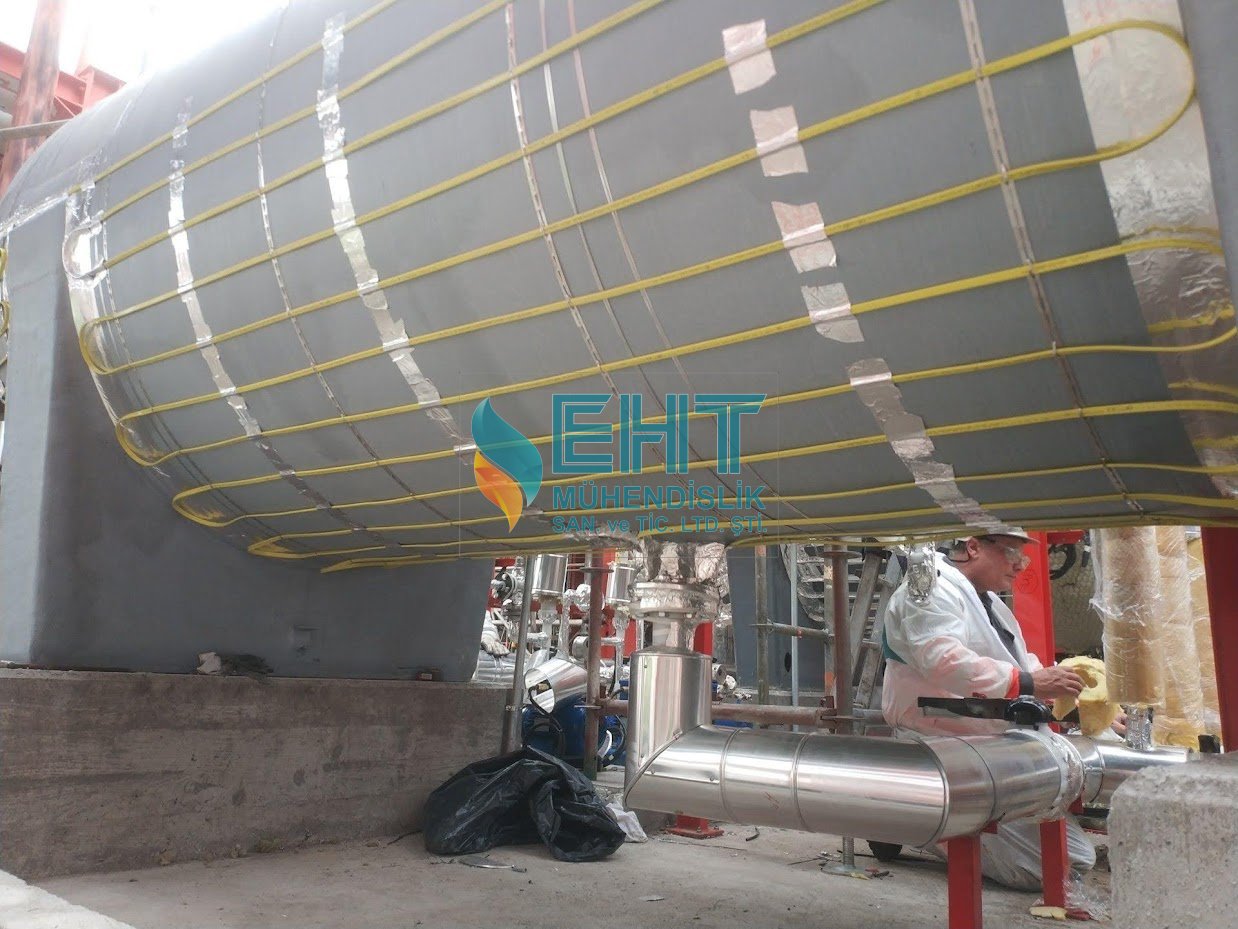
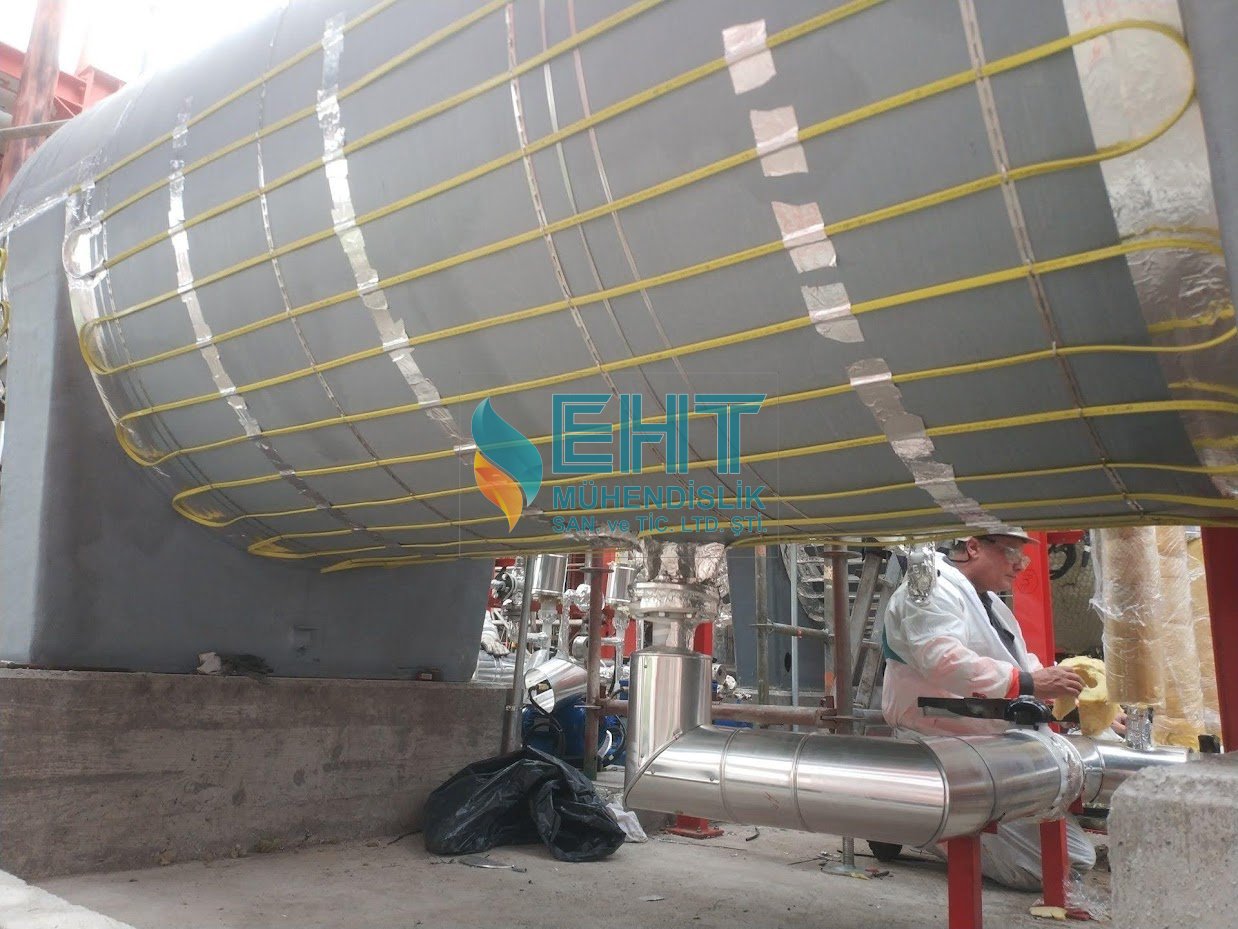
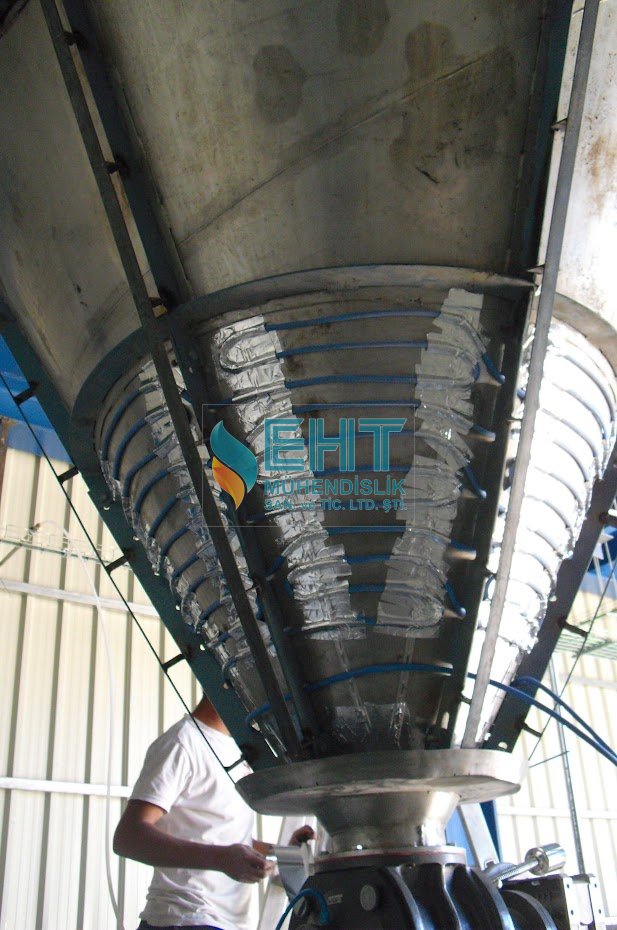
- Insulation jacketsThanks to their modular structure, they can be easily assembled and removed when necessary.
While traditional sheet metal cladding methods have been used for many years, insulation jackets have recently become more popular because they shorten installation time and reduce the risk of corrosion.
Application Areas
- Hot water and steam lines: To prevent energy loss.
- Chemical transport pipes: To maintain the temperature stability of reactive materials.
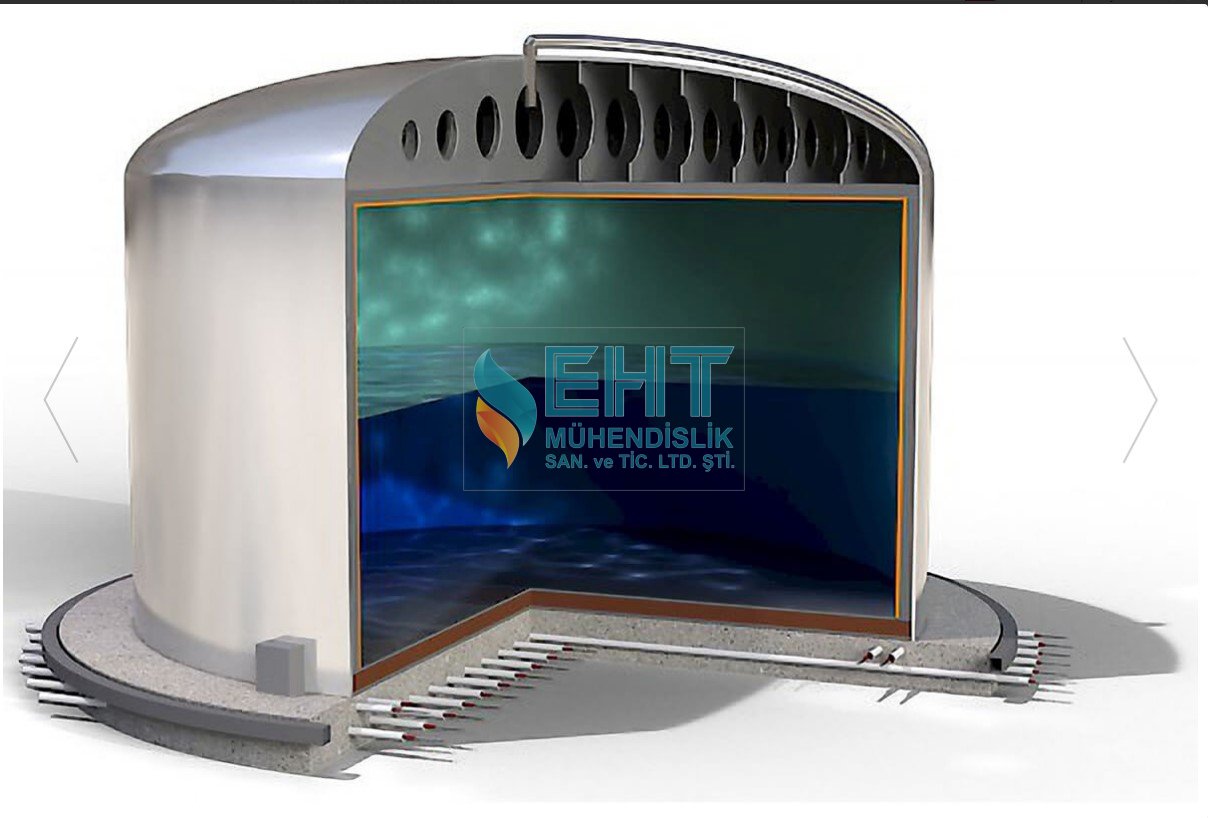
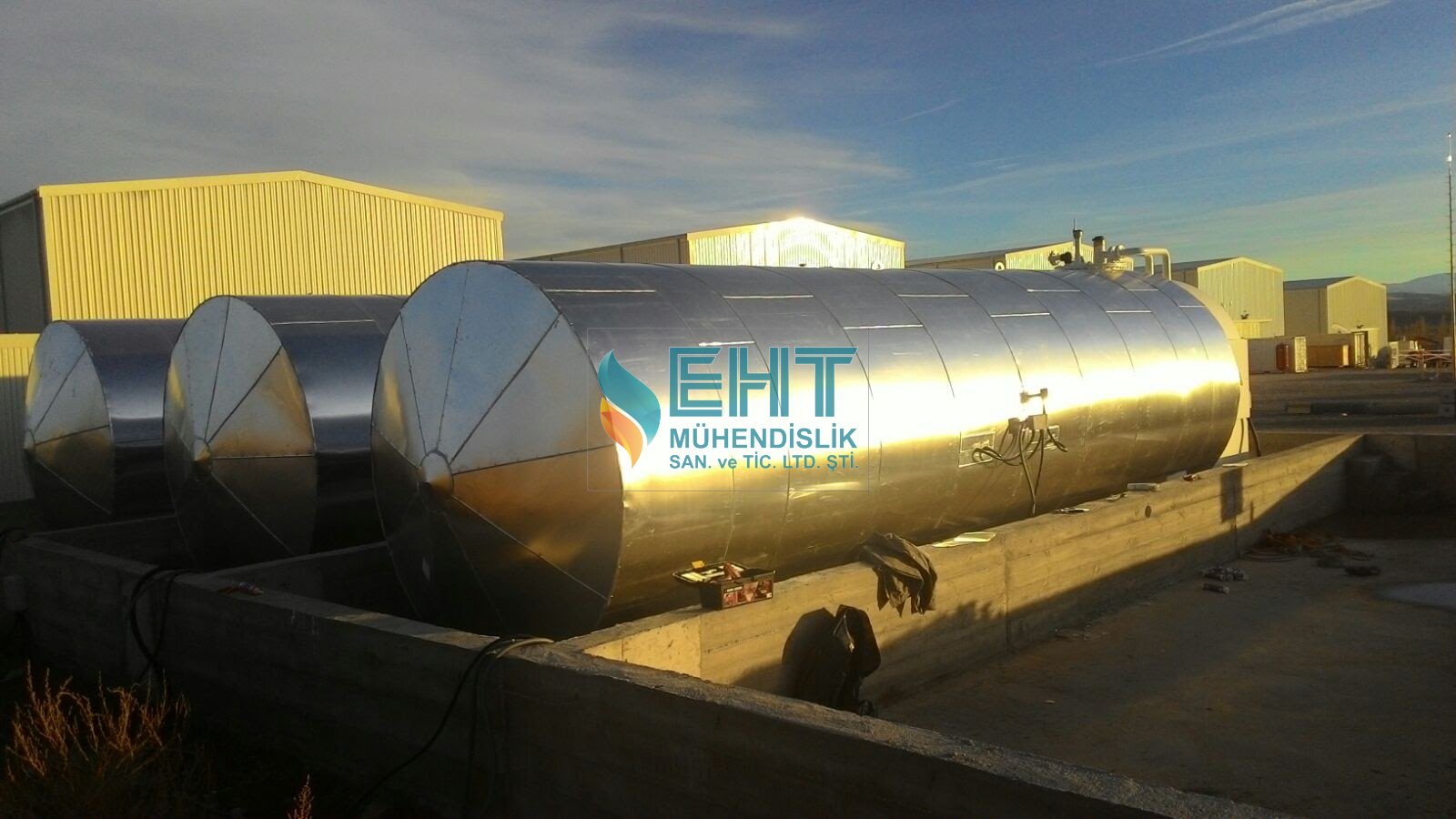
- Fuel and gas tanks: To reduce the risk of freezing and evaporation.
- Food production facilities: To keep the products hygienic and at a constant temperature.
Advantages
- Energy saving: Operating costs are reduced by reducing heat loss.
- Process safety: Production continuity is ensured by preventing temperature fluctuations.
- Job security: The risk of burns is reduced by covering hot surfaces.
- Ease of maintenance: Provides rapid intervention thanks to modular systems.
Conclusion
Pipeline and tank industrial insulation is an essential component of modern facilities. Proper material selection and professional application ensure both energy efficiency and increased system safety. Especially in regions with significant temperature fluctuations, these insulation systems ensure production quality and operational continuity, maximizing facility performance.


-

- OLYMPUS DIGITAL CAMERA



-
- OLYMPUS DIGITAL CAMERA


-

- OLYMPUS DIGITAL CAMERA



-

- EPSON DSC picture


-

- EPSON DSC picture




-

- oppo_0

-

- oppo_0

-

- oppo_0

-

- oppo_0


-

- oppo_0

-

- oppo_0

-

- oppo_0

-

- oppo_0

-

- oppo_0

-

- oppo_0


-

- oppo_0


-

- OLYMPUS DIGITAL CAMERA


