
1 – Antenna Heating Cables
Electric Antenna Heating Cables
How Does an Electric Antenna Heating System Work?
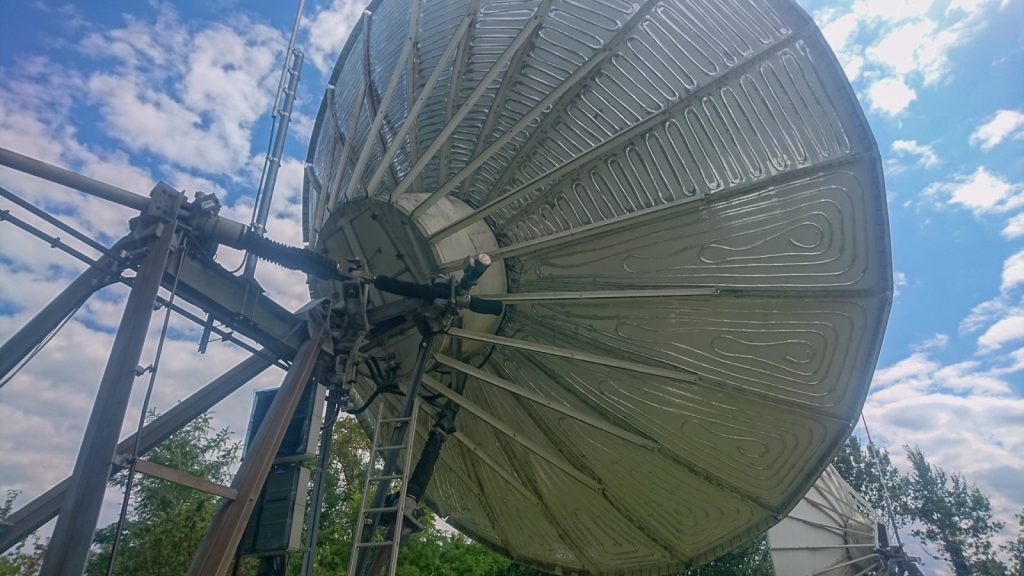
Snow and ice falling during the winter months can limit the signal receiving and transmitting capabilities of antennas, so installing antenna heating systems is an important system, especially in defense and strategic locations.
The important thing in the antenna heating system is to heat the antenna surface homogeneously without any ice or snow layer forming on it, in order to not affect the heating power in w/m2 and the signal receiving and sending properties of the antenna.
What are Electric Antenna Heating Cables?
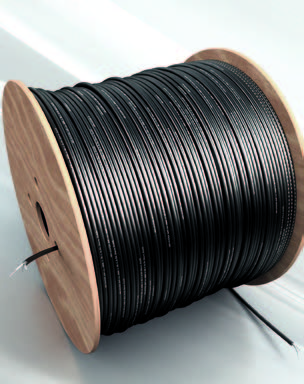
Heating cables used in antenna heating systems can be self-regulating, series resistance or constant power heating cables.
Series Resistance Heating Cables are generally a more suitable type of heating cable for antenna heating systems, as they provide a more homogeneous surface heating by being selected with lower w/m power and longer lengths on antenna surfaces.
Series resistance heating cables can be manufactured in various resistances. Their resistance is directly proportional to their length, and certain resistances can be cut to specific lengths depending on the desired power rating. There are two types of series resistance heating cables: single-resistance and double-resistance. These heating cables can be used at temperatures up to 260°C.
2 – Instrument Protective Cases
Instrument Protection Boxes
Instrument protection boxes used by EHT engineering offer different standards and sizes of enclosure box options to protect field-installed instruments.
The protection boxes are made of a special high-performance glass fibre reinforced polyester (GRP).
This fire-resistant material is extremely tough and highly resistant to damage from chemical and petrochemical environments. It has strength nearly equal to stainless steel and is only one-fourth the weight.
MULTIBOX Instrument Protection Boxes (Top or Bottom Entry)
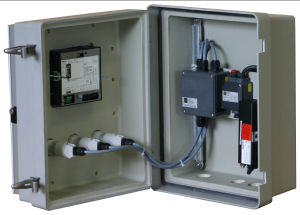
Multibox
MULTIBOX boxes are two-part enclosure boxes with deep or wide compartments (facilitating easy access to almost any part of the equipment) that can be mounted vertically or horizontally and used as a lid. Instrumentation is usually manufactured with bottom or top tubing access, excluding the glass surface. They are mounted via C-type rails. They are produced in seven standard sizes.
DIABOX™ Instrument Protection Boxes (Rear or bottom entry)
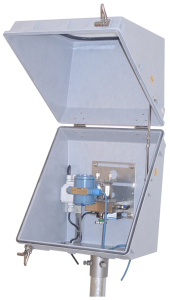
Diabox
DIABOX enclosures feature a two-piece construction with a diagonal opening, providing easy access to field equipment. Tubing entry is typically from the rear or bottom. Three sizes are available, each of which can be mounted vertically or horizontally.
BASIC VARIO Instrument Protection Boxes (Rear, Top, Side Entry)
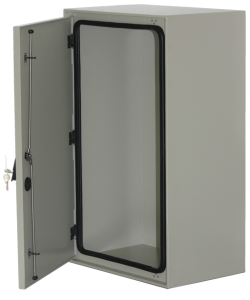
Basic Vario
BASIC VARIO type protection boxes, designed for wall or floor mounting, are made of Intertec's GRP material, with GRP coverings and foam insulation, providing superior energy savings. They are manufactured in sizes suitable for instrument enclosures and smaller cabinets for a wide range of applications.
MINIBOX Instrument Protection Boxes (With Base Entry)
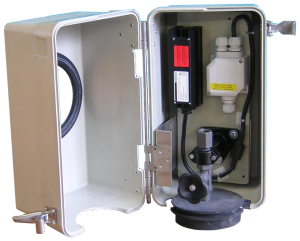
Minibox
MINIBOX Instrument Protection Boxes are compactly constructed. They can be mounted on a single transmitter. They are sized to provide cost-effective enclosures to protect transmitters from overheating.
UNIBOX Instrument Protection Boxes (Bottom Entry)
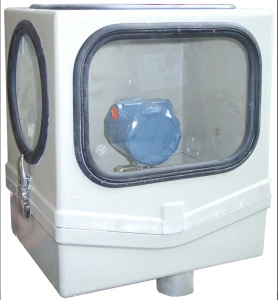
Unibox
UNIBOX Instrument Protection Boxes are two-piece protection boxes with a large top half that folds open to provide clear and easy access to the top, front, rear, and sides of field equipment for maintenance. Ideal where transmitters must be accessed through the base.
3 – Rail and Switch Heating Products
What are railway switch snow and ice prevention products?
Railway switches are a critical component of safe, reliable railway operations. During winter months, snow and ice accumulation on railways can prevent switches from properly aligning and fitting. EHT Engineering offers a solution to railway freezing problems with its heating cable technology.
Various types of cable-type or rod-type electric heaters, known as resistors, are used to heat and prevent freezing of switches on railway and tram lines. Special heaters are designed according to different rail and switch types.
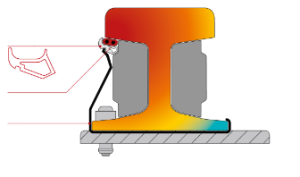
Rail heating cable
Rail Switch Heating with Heating Cables?
The self-regulating cable and scissor heating system is an innovative solution that automatically adjusts the power output to compensate for temperature changes, providing the exact amount of power needed to protect rails and scissors from freezing.
Rod resistors offer a robust, long-lasting, and durable flat MI (mineral insulated) resistor solution for critical railway infrastructure, even under the harshest winter conditions.
This system features MI (mineral insulated) resistors that provide powerful convective heat over a large surface area on the rail network to prevent ice formation and ensure the smooth operation of railway switches. The rod-type resistor heating system offers significant advantages;