
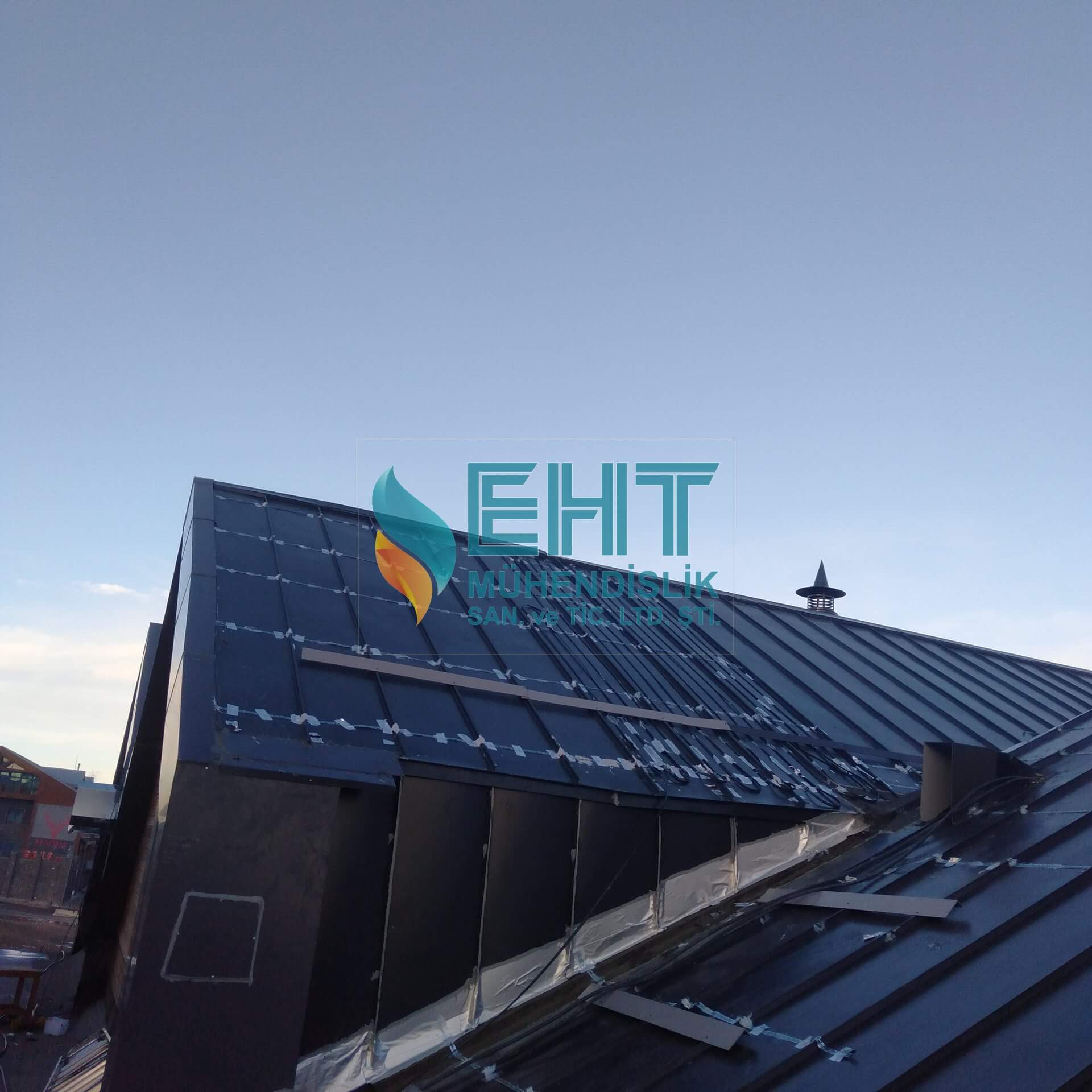
Concrete and Asphalt Underlay Snow and Ice Melting The Importance of Systems
Protecting concrete and asphalt roads from snow and ice formation is of great importance, especially in cold climates. Concrete and Asphalt Underlay Snow and Ice Melting These systems have been developed to solve these problems. They melt snow and ice using heating elements placed beneath the road surface. This increases traffic safety and prevents road surface erosion.
Maintaining and protecting concrete and asphalt roads not only ensures traffic safety but also extends the road's lifespan, reducing maintenance and repair costs. Protecting concrete and asphalt roads from snow and ice formation also ensures that the road surface remains smooth and safe.
Concrete and Asphalt Underlay Snow and Ice Melting Operating Principles of Their Systems
Concrete and Asphalt Underlay Snow and Ice Melting These systems essentially operate via heating elements placed beneath the road surface. These heating elements are typically electric or hydronic systems. Electric systems generate heat directly using electrical energy, while hydronic systems generate heat using hot water or steam from a heat source.
The design and installation of these systems can vary depending on the intended use of the road, traffic load, weather conditions, and other factors. For efficient and effective operation, proper design and installation are crucial.
Concrete and Asphalt Underlay Snow and Ice Melting Advantages of their systems
Concrete and Asphalt Underlay Snow and Ice Melting These systems offer numerous advantages. They improve traffic safety, prevent road surface wear, reduce maintenance and repair costs, and extend the lifespan of the road.
- Traffic safety: Melting snow and ice makes the road surface safer.
- Road surface protection: Road surface wear is prevented and its lifespan is extended.
- Reducing maintenance and repair costs: It reduces the need for regular maintenance and repairs.
Concrete and Asphalt Underlay Snow and Ice Melting Disadvantages of their systems
Concrete and Asphalt Underlay Snow and Ice Melting These systems also have some disadvantages. These systems have drawbacks such as high energy costs, complex design and installation, and high initial investment costs.
These disadvantages must be considered during the design and installation of the systems. Correct design and installation ensure that the systems operate efficiently and effectively.
Concrete and Asphalt Underlay Snow and Ice Melting Application Areas of Their Systems
Concrete and Asphalt Underlay Snow and Ice Melting These systems can be used in a variety of application areas. They are particularly used in cold climates, in regions where snow and ice formation is frequent, to improve road safety and protect the road surface.
These systems are also used in airports, ports, and other large infrastructure projects. The design and installation of the systems may vary depending on the characteristics of the application area.
Concrete and Asphalt Underlay Snow and Ice Melting The Future of Systems
Concrete and Asphalt Underlay Snow and Ice Melting The future of these systems will be shaped by the increased use of renewable energy sources and advancements in system design and installation. These systems will continue to improve traffic safety and protect road surfaces by becoming more efficient, more effective, and more environmentally friendly.
Concrete and Asphalt Underlay Snow and Ice Melting In the future, these systems will focus more on the use of renewable energy sources, aiming to reduce energy costs and become more environmentally friendly.
Short Summary
Concrete and Asphalt Underlay Snow and Ice Melting These systems are used to improve traffic safety, protect the road surface, and reduce maintenance costs. In cold climates, they offer an effective solution against snow and ice formation. The design and installation of these systems are crucial for their correct and effective operation.
The future of these systems will be shaped by the increased use of renewable energy sources and advancements in system design and installation. Concrete and Asphalt Underlay Snow and Ice Melting These systems will continue to improve traffic safety and protect road surfaces by becoming more efficient, more effective, and more environmentally friendly.