Mosque and Masjid Floor Heating with Heating Cable: Where Silent Comfort and Modern Technology Meet

Mosques and masjids are places of worship that are frequently used at various times of the day and are an important part of social life. Because these structures are typically large, have high ceilings, and have extensive floors, it is quite difficult to achieve uniform and efficient heating with traditional heating systems. Floor temperature plays a critical role in comfort, especially in spaces where congregants sit for long periods of prayer. Addressing this need floor heating systems with heating cableoffers a quiet, hygienic and energy efficient solution for mosques and masjids.
How Does the System Work?
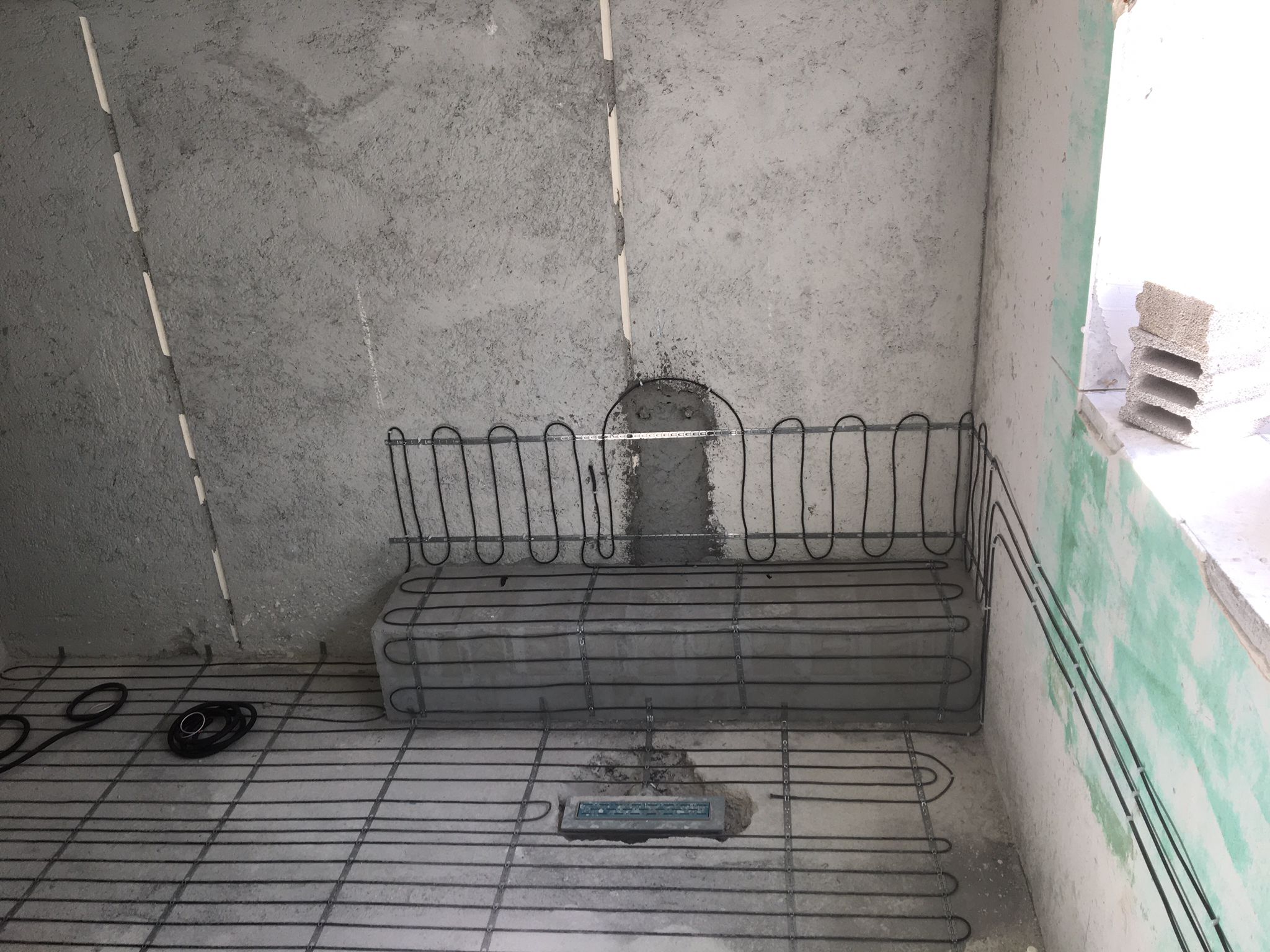
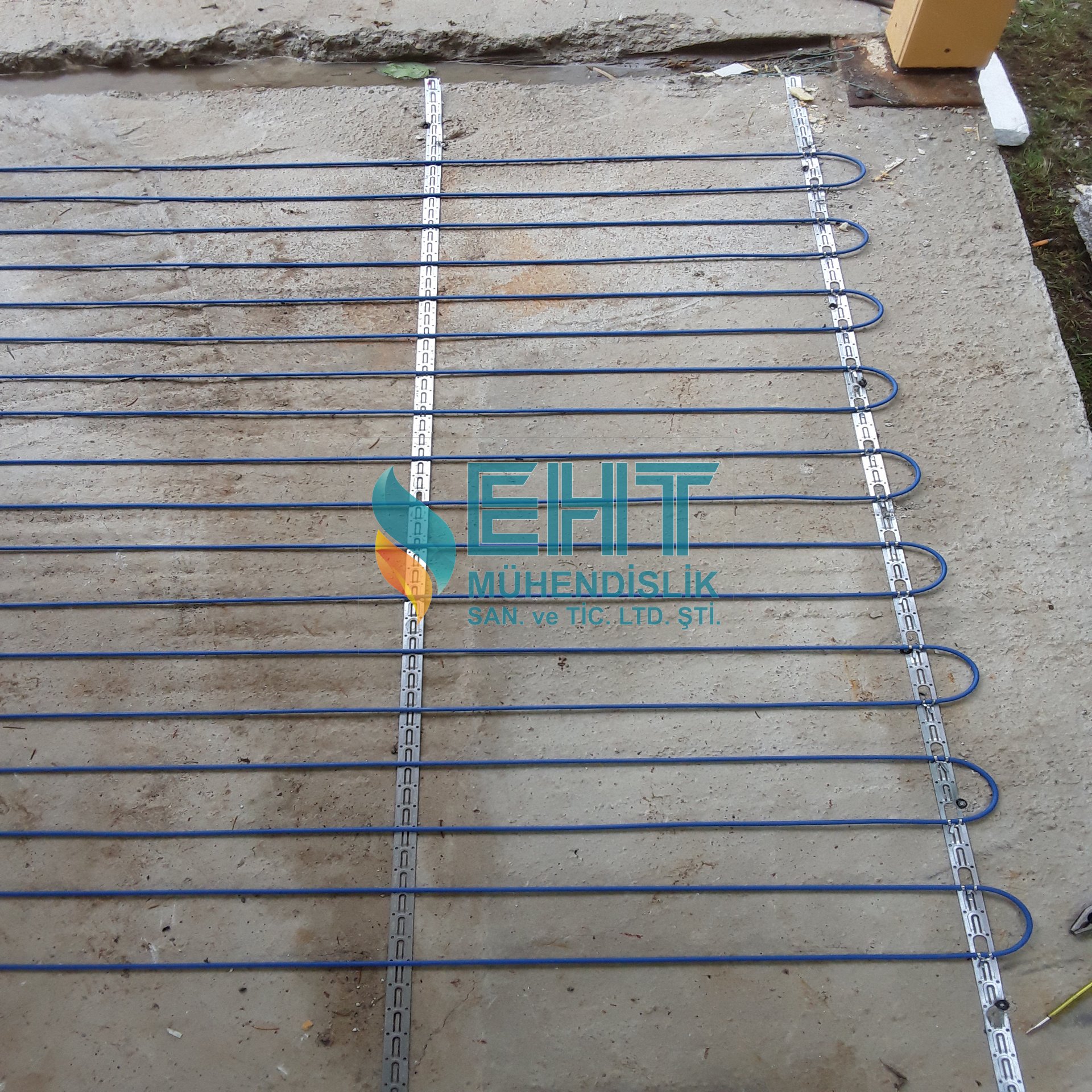
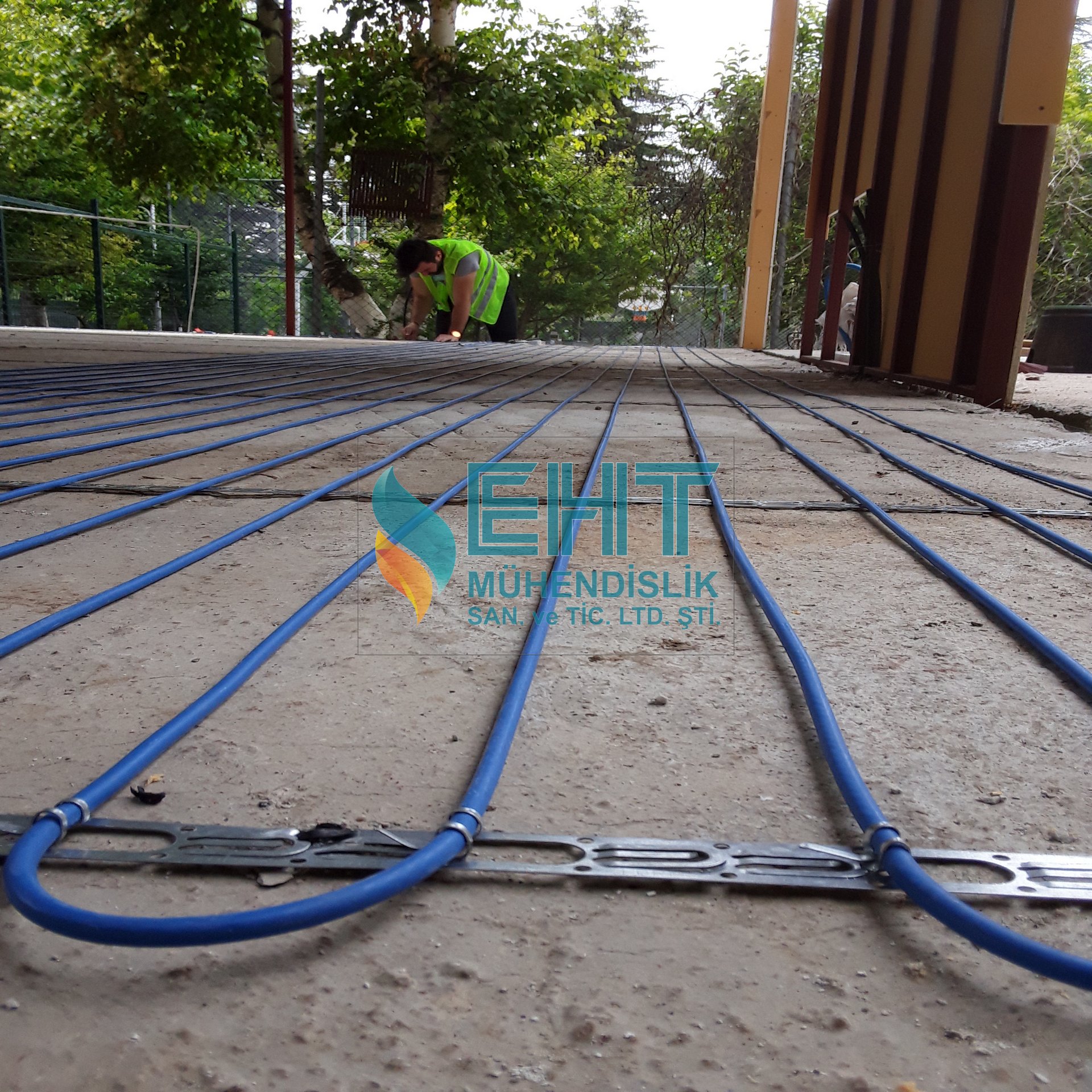
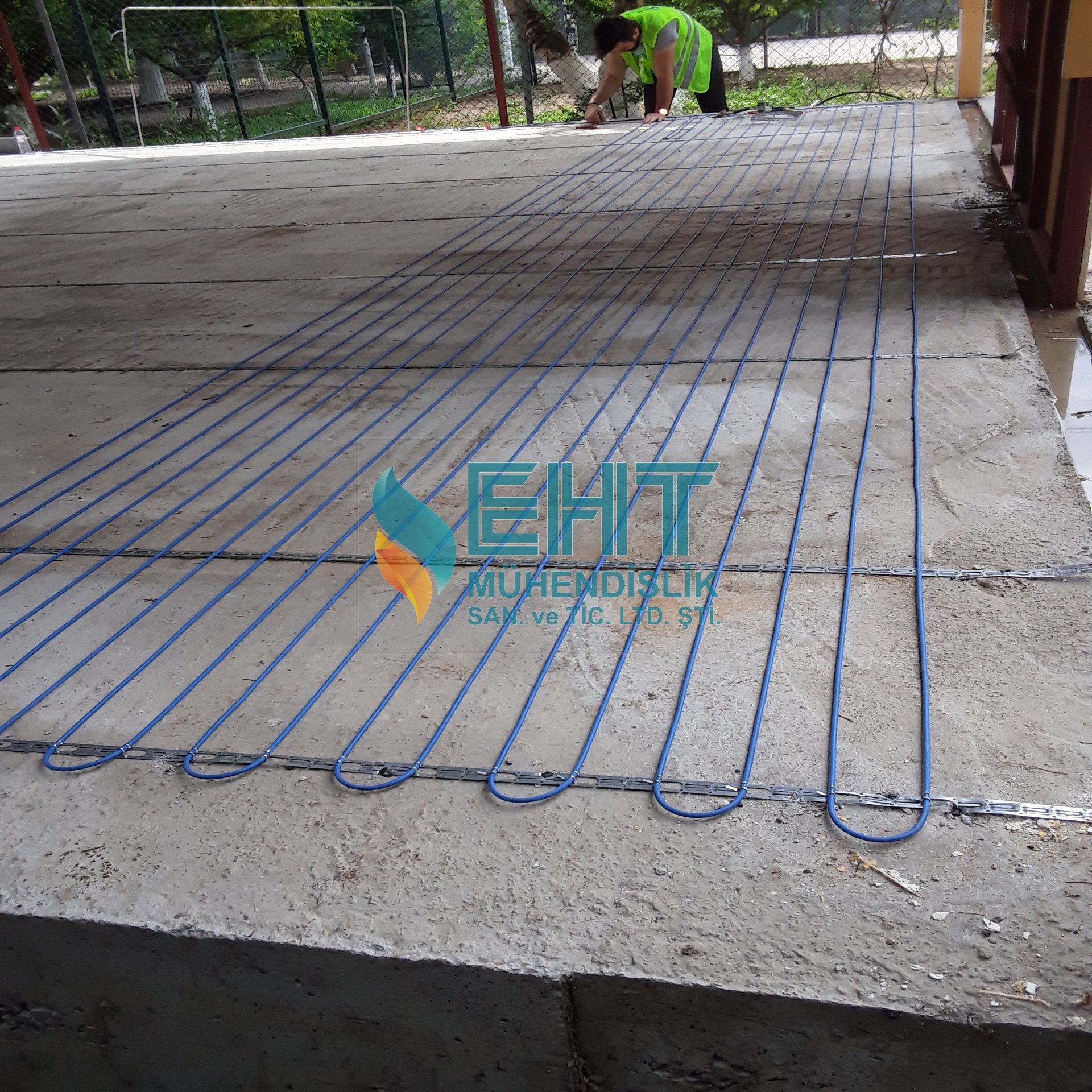
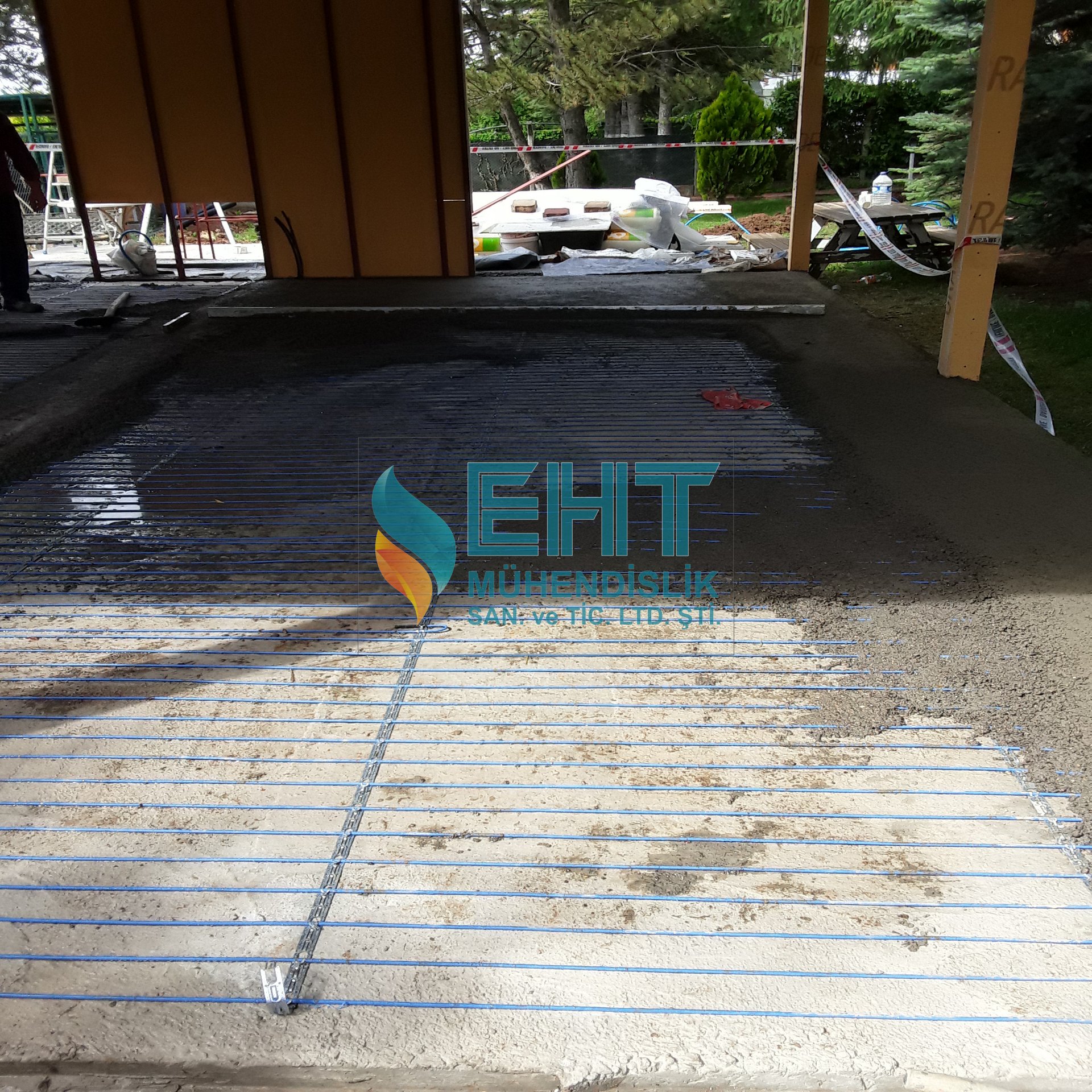
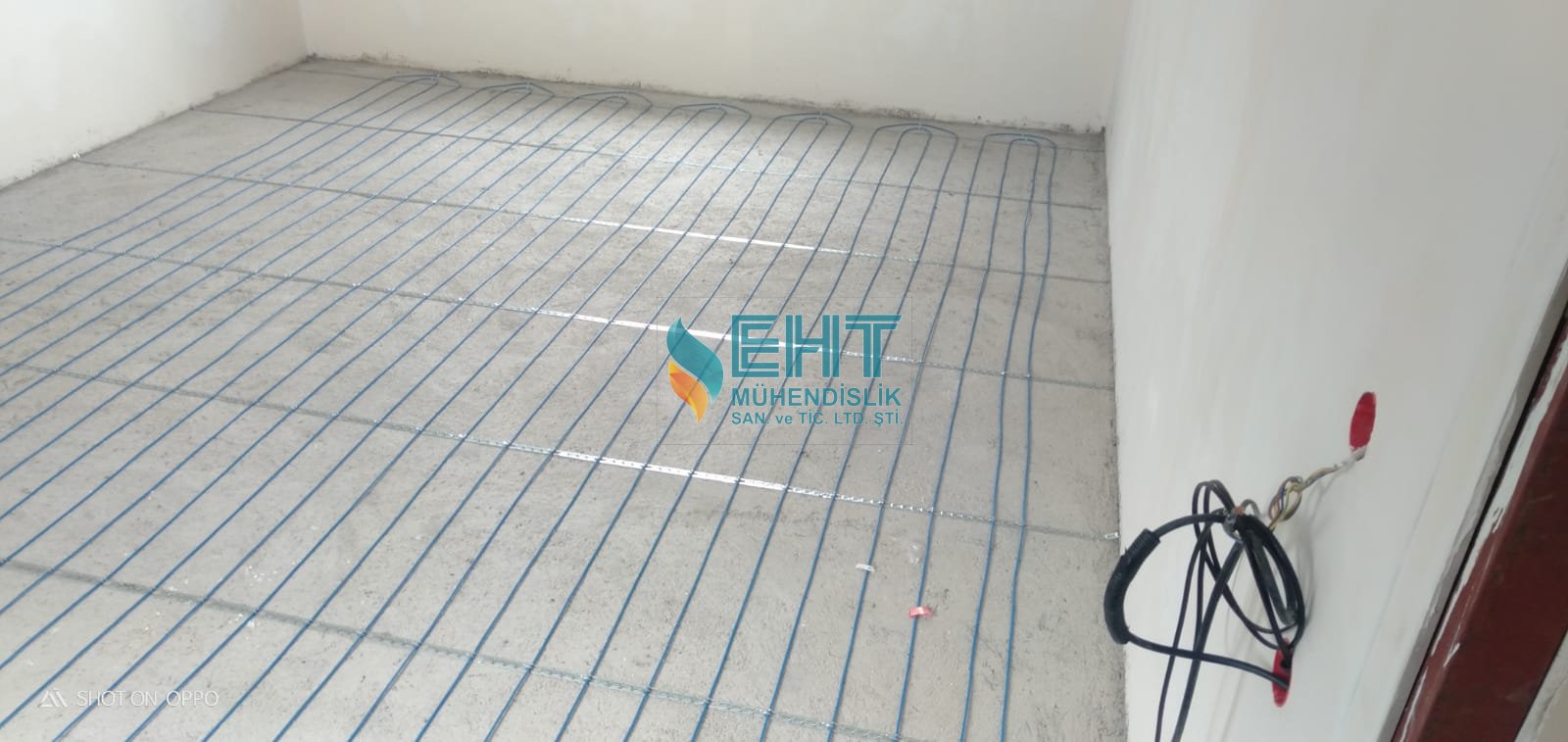
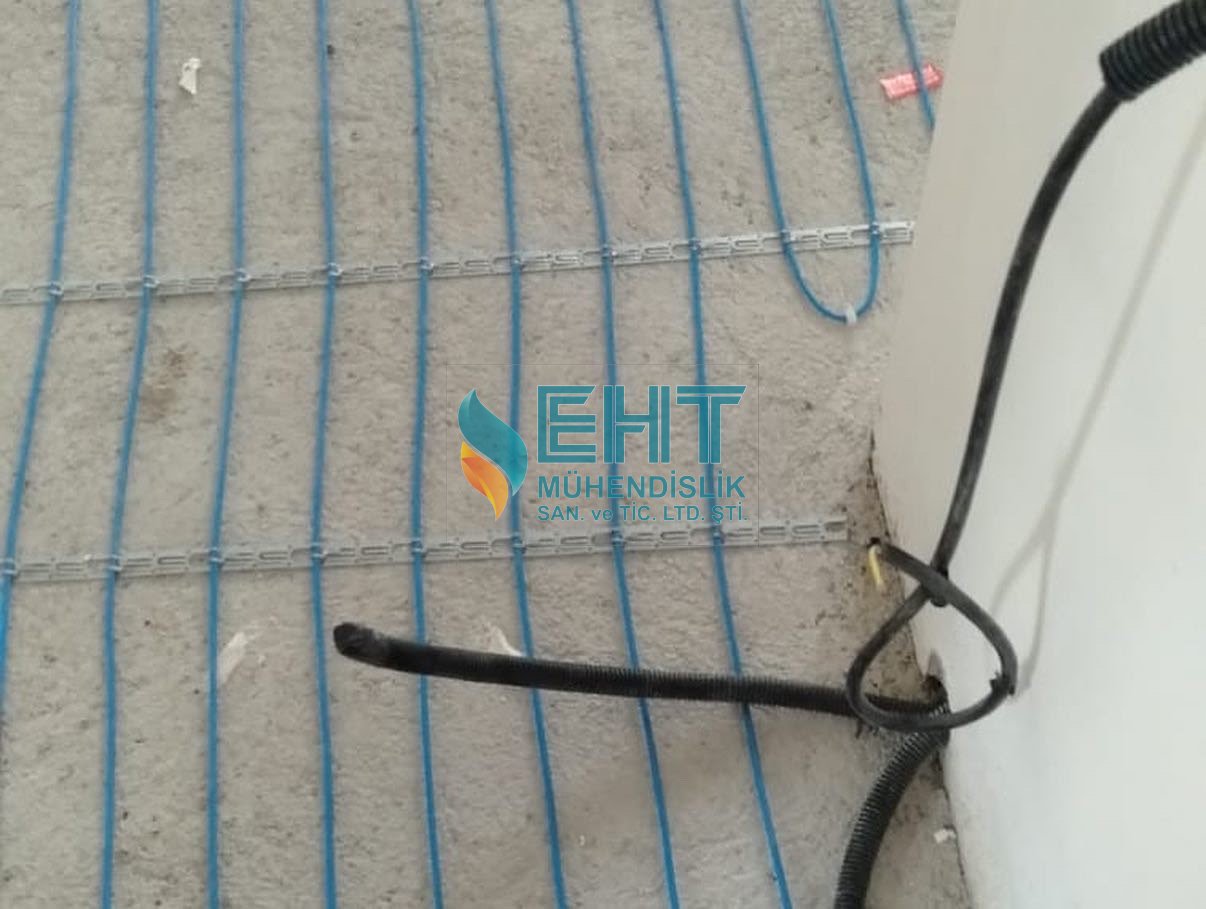
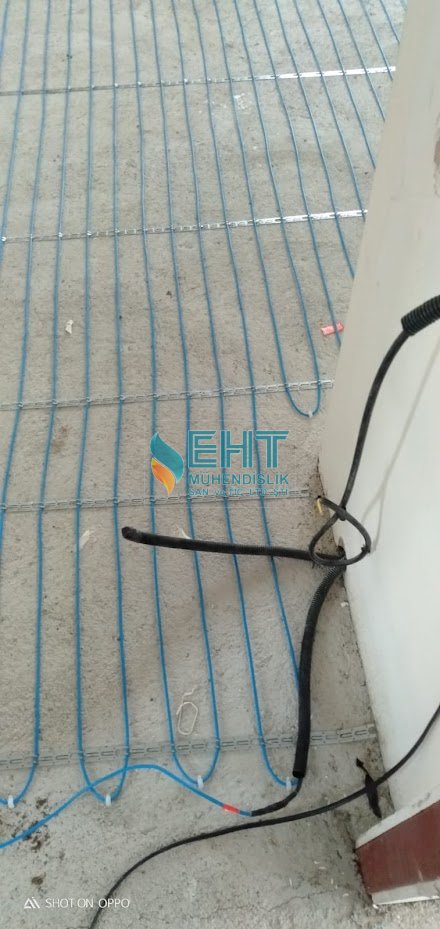
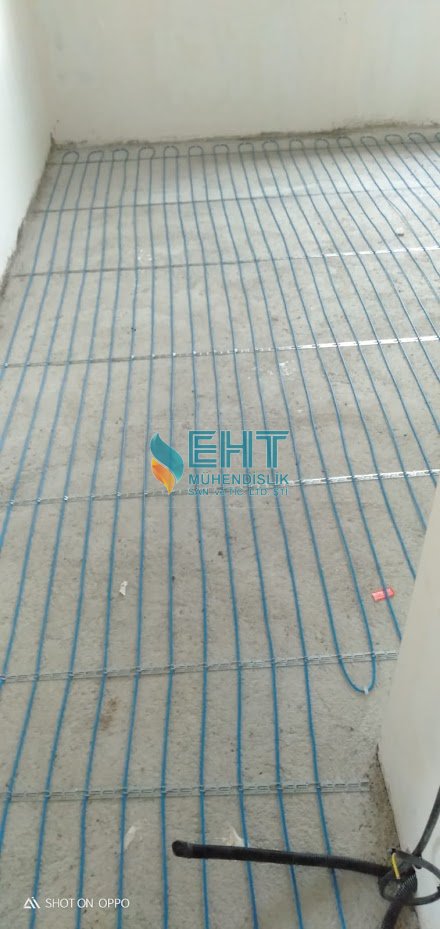
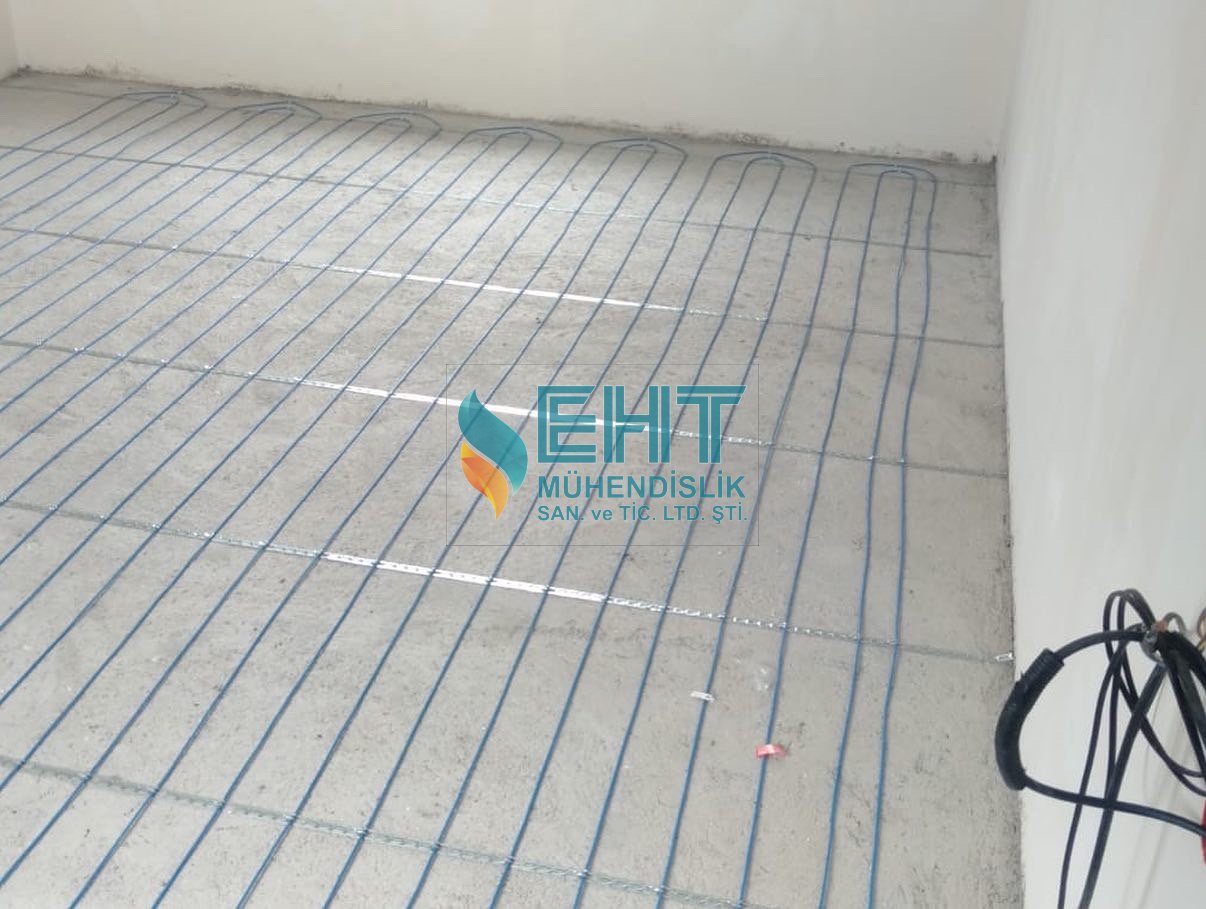
Underfloor heating systems with heating cables operate by installing special resistance cables in the ground that convert electrical energy directly into heat. These cables are installed under the screed or under the floor covering, ensuring even heating of the surface. Electric underfloor heating systems typically consume between 100W and 200W per square meter; however, for large, high-volume spaces like mosques, this value should be between 250W and 300W.
The system integrates with temperature sensors and digital thermostats. This allows for separate control of each zone. In mosques, "pure heating" is particularly preferred in densely populated areas. This method heats only actively used areas, preventing unnecessary energy consumption and ensuring maximum efficiency.
Application Process
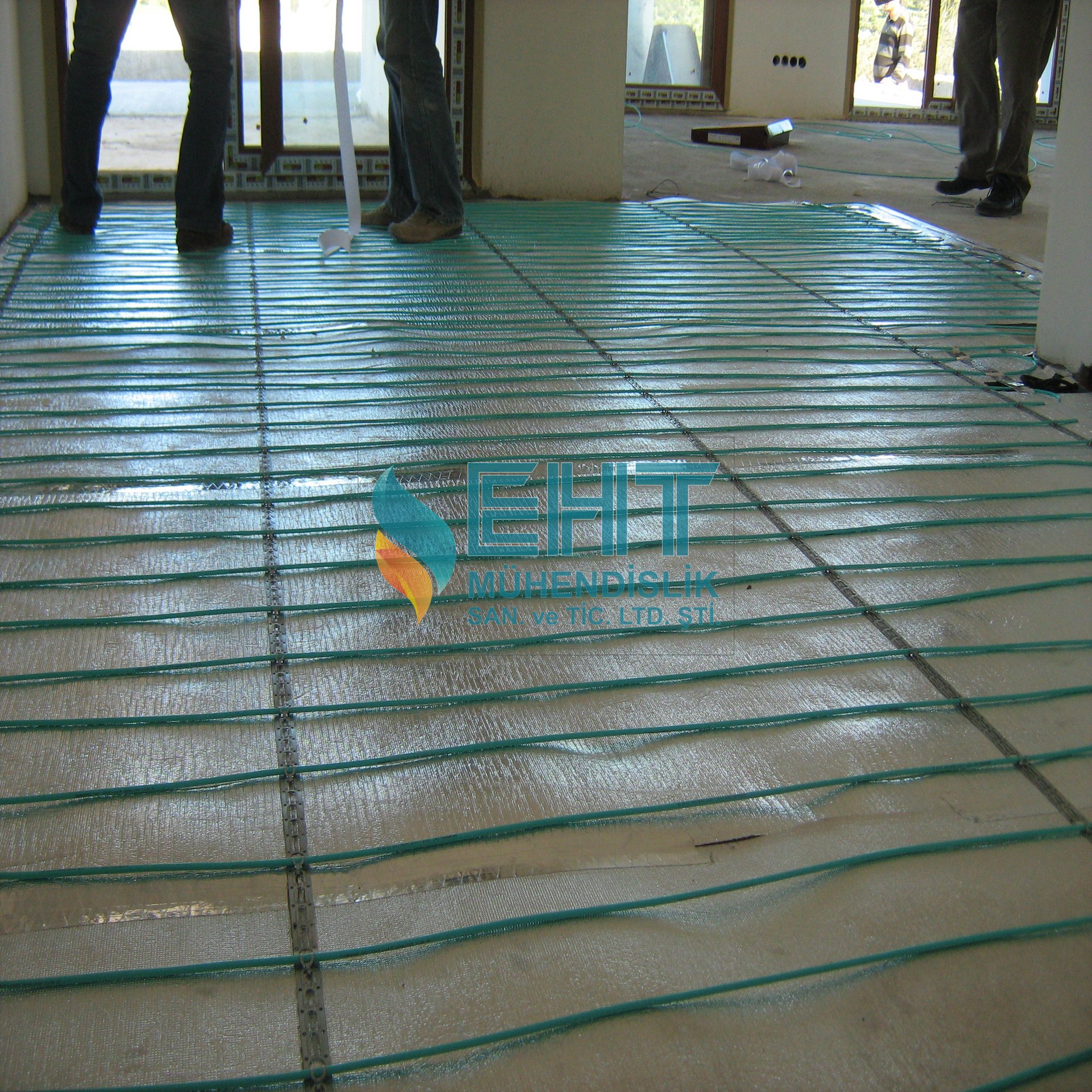
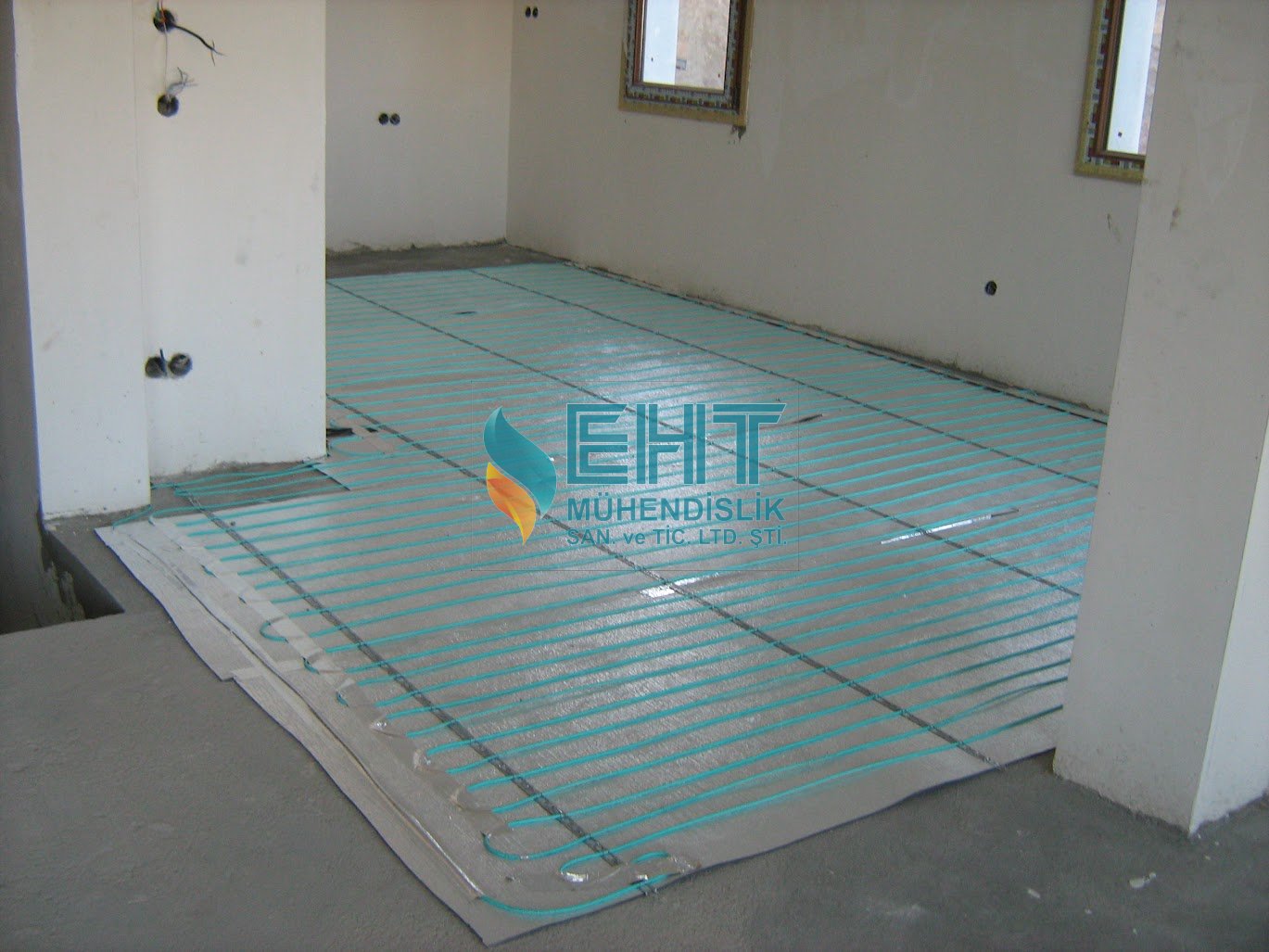
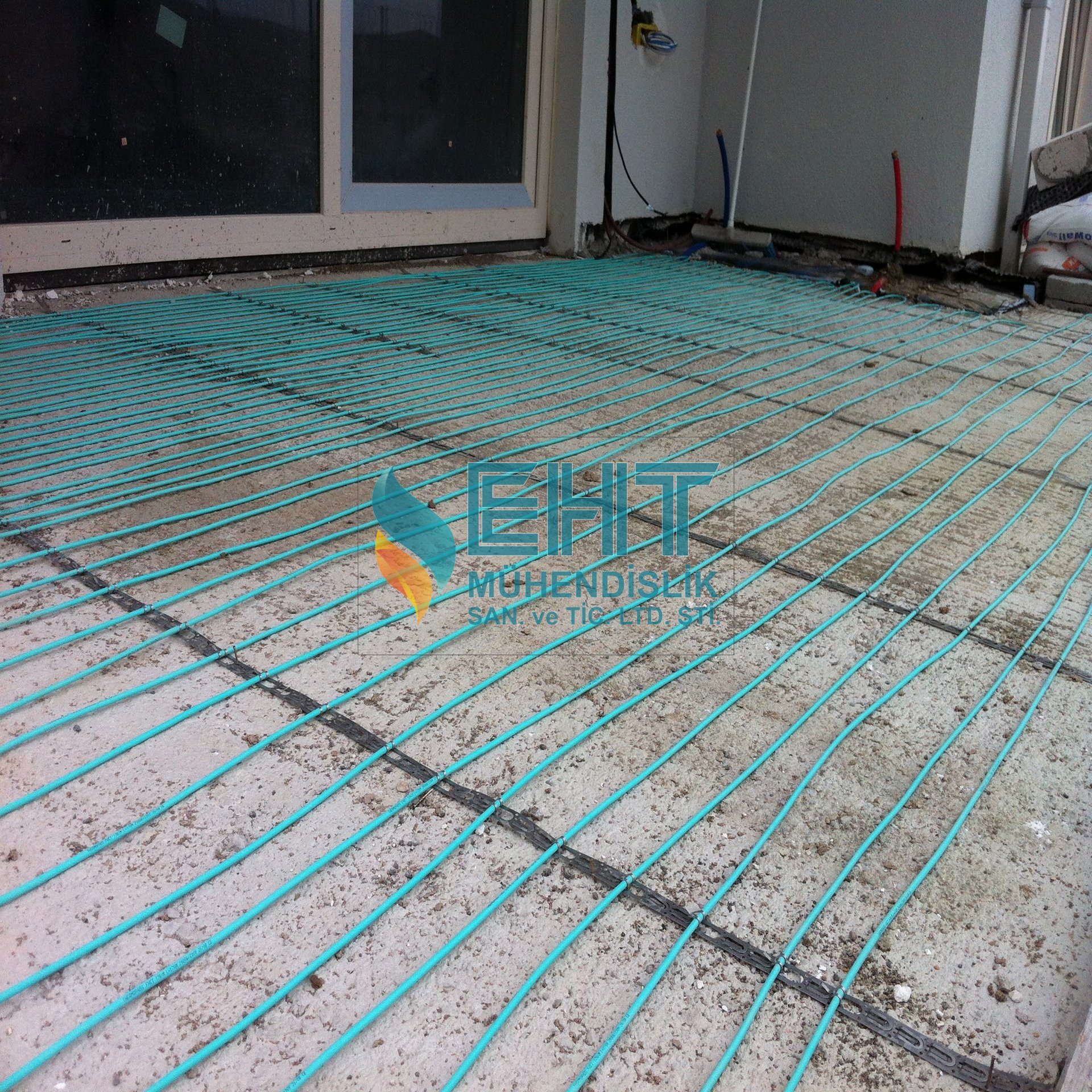
A detailed survey is conducted before installing floor heating. The project is prepared by considering factors such as the floor's structure, insulation status, topping material (carpet, marble, ceramic, etc.), and frequency of use. Heating cables are laid evenly across the floor, and insulation is placed on top. This process ensures that the heat is directed upwards and ensures a uniform temperature distribution across the floor.
Cables are typically around 7 mm thick, and lengths can range from 7 meters to 170 meters. Power outputs range from 10W to 30W per meter. These values are determined by the size of the mosque and its intended use.
Temperature Adjustment and Control
Electric floor heating systems generally operate between 25°C and 31°C. However, due to the thickness and insulation properties of carpets laid on the floor in mosques, this temperature can be adjusted higher. Thermostats precisely control the system's temperature and automatically operate it at predetermined times.
By placing a separate thermostat in each zone, different areas can be managed independently. This feature offers a significant advantage in terms of energy savings, especially during busy congregational hours.
Areas of Use
Floor heating systems with heating cables can be successfully applied not only in mosques and masjids, but also in the following areas:
- Residential floor heating
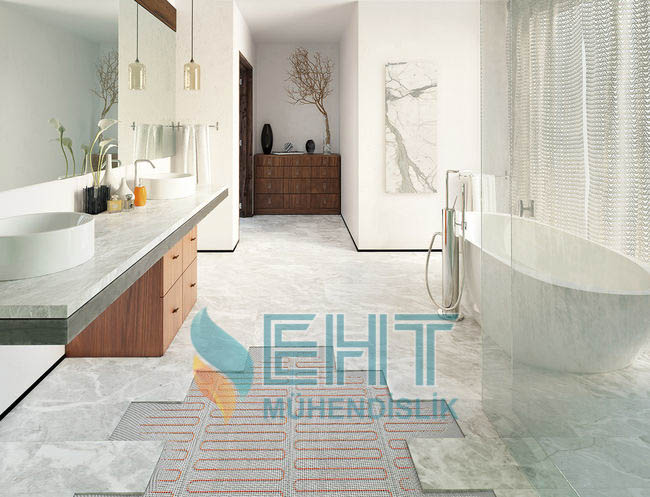
- Bathroom and kitchen floors
- Turkish bath and spa areas
- Stair and ramp heating
- Greenhouses and animal shelters
- Cold storage floors
- Pool surroundings and semi-open areas
However, mosques and masjids are among the most specific and sensitive areas where this system is used, as both comfort and silence must be provided in accordance with the spirit of the worship environment.
Advantages
The main advantages offered by mosque and masjid floor heating systems with heating cables are as follows:
1. Quiet and Invisible Heating
Because the system operates entirely underground, it produces no noise and doesn't disrupt the aesthetics of the space. This feature is crucial for maintaining silence during worship.
2. Hygienic Environment
Because there is no air circulation, dust and allergen spread is minimal. This provides a healthier environment, especially for the elderly and sensitive individuals.
3. Energy Efficiency
Zoned control heats only the areas where needed. Thermostats and timers optimize system runtime.
4. Comfortable Worship Experience
The areas where the congregation sits are kept warm, eliminating the feeling of cold ground. This difference in comfort is particularly noticeable during morning and night prayers.
5. Long-Lasting System
When installed with quality materials, the system will operate smoothly for years. Thanks to cables protected against external influences, maintenance is minimal.
6. Architectural Freedom
There is no need for visible heating elements such as radiators or stoves, allowing the mosque's interior architecture to be designed freely.
Maintenance and Safety
Heating cable systems are highly reliable and low-maintenance when properly installed. The cable's outer shielding protects against external influences such as impact and moisture. Thermostats and sensors prevent the system from overheating. Furthermore, system electricity consumption can be minimized through zonal control.
A general check once a year is sufficient to maintain the efficiency of the system and to detect possible malfunctions in advance.
Conclusion
Mosque and masjid floor heating systems with heating cables offer smart solutions that meet the modern needs of traditional structures. Thanks to their quiet operation, invisible design, energy efficiency, and comfortable heating features, these systems create an ideal environment for prayer spaces. Especially in regions like Şanlıurfa, where temperature fluctuations are intense, these systems both increase congregational comfort and reduce energy costs.
With the right project, quality material selection and professional application, you can create a warm and peaceful worship environment in your mosque throughout all four seasons.
-
- Hammam Floor heating cable